Sled Pushes for Conditioning: Benefits & Best Setups
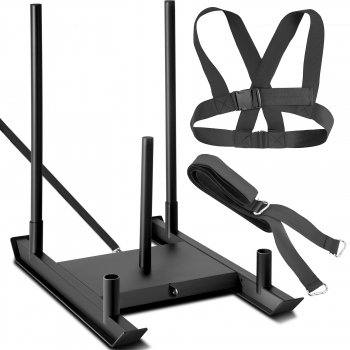
Are sled pushes conditioning?
Yes—sled pushes are conditioning, and they’re also a legitimate strength and power tool. Because you’re continuously producing force while moving your bodyweight (and the sled) forward, your heart rate rises quickly and your lungs work hard, especially during longer pushes or repeated intervals.
Why sled pushes work so well for conditioning
Sled pushing is a “high-output, low-impact” style of conditioning for many people. There’s no jumping or hard landing, so it can feel easier on the joints than sprinting or plyometrics while still delivering a big cardiovascular and muscular demand. The constant tension on the legs and glutes also creates a strong local muscle burn, which is a major driver of that “conditioning” feeling.
What type of conditioning do they build?
Sled pushes can train multiple energy systems depending on how you program them. Heavy, short pushes (10–20 yards) with long rests build strength-speed and anaerobic capacity. Moderate loads with repeated efforts (20–40 yards) develop work capacity and lactate tolerance. Light, longer pushes (40–100+ yards) can target aerobic conditioning while still reinforcing powerful, efficient leg drive.
How to program sled pushes for conditioning
Pick a goal first, then match load, distance, and rest. For a simple conditioning session, try 6–10 rounds of 20–30 yards at a challenging-but-sustainable load, resting 60–90 seconds. You should finish each rep breathing hard, but without your technique collapsing (hips low, torso angled forward, steady steps).
Where to learn more
For a deeper breakdown of harness options, speed work, and conditioning setups, see the full guide: weight sled harness training for speed, power, and conditioning.
For Sled Pushes for Conditioning: Benefits & Best Setups, the best answer depends on fit, material, care instructions, and how the product will be used day to day.
FAQ
Do sled pushes build speed or just endurance?
They can build both. Heavy or moderate sled work improves force application and acceleration mechanics, while lighter, faster pushes and short intervals can translate better to speed development.









Leave a comment