Are Wooden Puzzles Worth It? Durability, Skills, Age
Are wooden puzzles worth it?
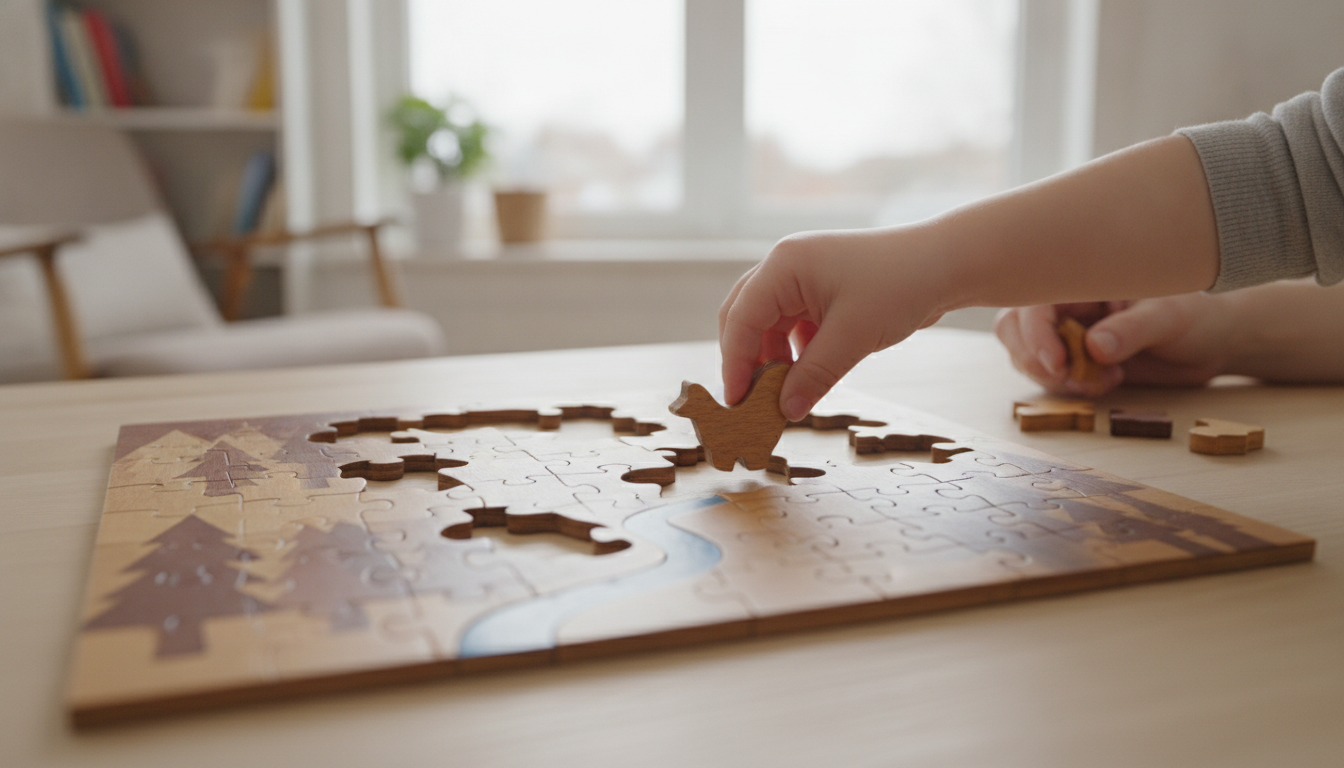
Wooden puzzles are often worth it when you want a toy that holds up to repeated play, supports hands-on learning, and feels good to use. Compared with thin cardboard puzzles, wood typically resists bending, peeling, and torn edges, so the same puzzle can last through frequent rotations, siblings, or classroom-style use.
Durability that pays off over time
A well-made wooden puzzle can handle drops, enthusiastic gripping, and being slid across floors or tables without quickly losing its shape. That longevity can make the upfront cost easier to justify—especially for families who prefer buying fewer items that last longer.
Better tactile feedback for little hands
Wood pieces usually have more thickness and weight than cardboard, which makes them easier to pick up and place. That extra “feel” can help kids slow down, align edges, and practice controlled movements—skills that matter for early handwriting, buttoning, and other day-to-day tasks.
Skill-building beyond simple matching
Many wooden puzzles are designed around early learning: shapes, colors, animals, vehicles, and themed scenes. When the puzzle includes knobs or chunky pieces, children can practice grasping and coordination. When it’s a scene-based board (like space-themed sets), it also encourages vocabulary and storytelling as kids name objects and describe what they see.
When wooden puzzles may not be worth it
If a child is likely to outgrow a puzzle quickly, a less expensive cardboard option can make sense. Also, quality varies: look for smooth edges, clear printing, sturdy boards, and finishes that don’t feel sticky or strongly scented.
For a practical example of how a wooden board puzzle can support Montessori-style play and space learning, see this guide: wooden astronaut puzzle board and Montessori space skills.
FAQ
What age is best for wooden puzzles?
Chunky wooden puzzles are often a good fit around ages 1–3, while more detailed jigsaws are typically better for ages 3+ depending on piece count and complexity. The best choice matches the child’s attention span and whether they can safely handle smaller pieces.







Leave a comment