Kids Chore Readiness Checklist & Printable Chore Chart
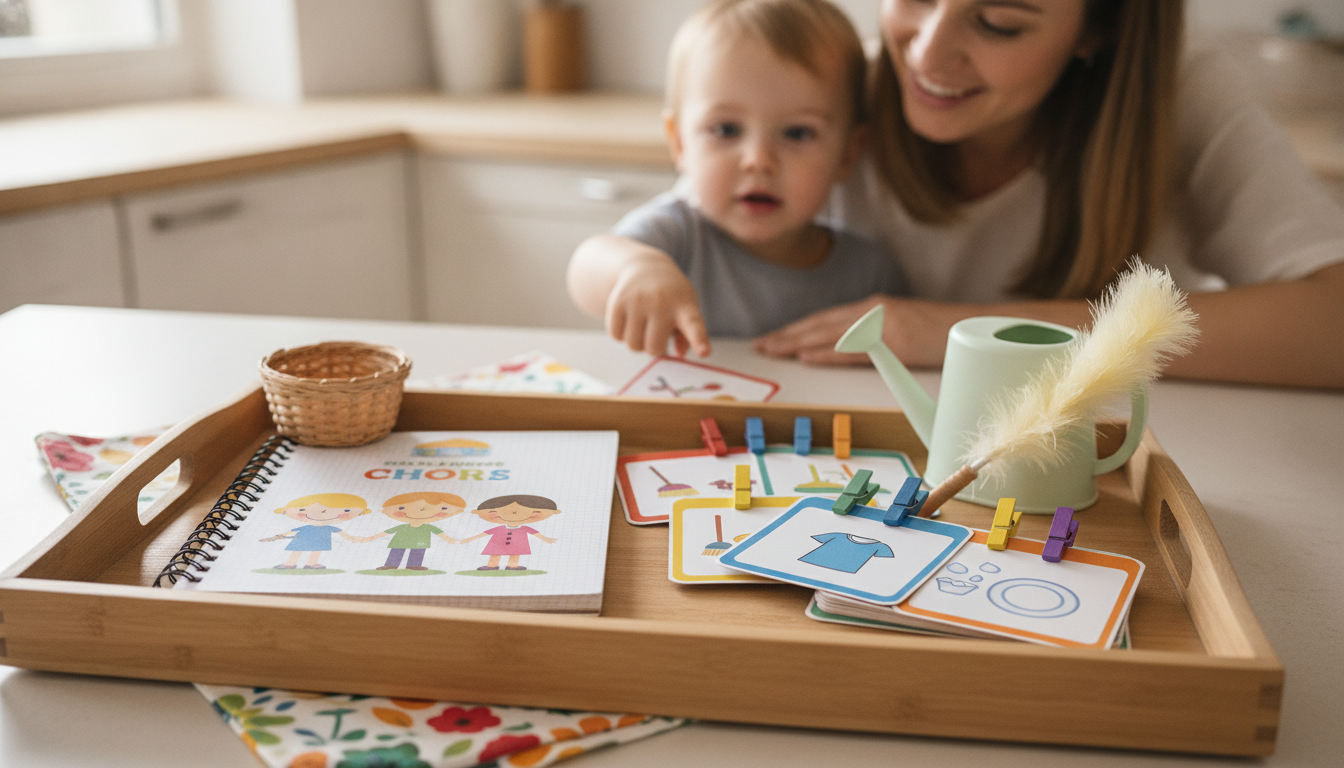
Kids Chore Readiness Checklist: A Simple System for Age-Appropriate Chores
A chore routine works best when it matches a child’s skills, attention span, and growing need for independence. A readiness checklist and a printable chore chart help families choose suitable tasks, teach them step by step, and track progress without daily negotiations. When chores feel “doable,” kids are more likely to cooperate—and parents are less likely to end up redoing everything.
What “chore readiness” means (and why it matters)
Chore readiness is a mix of physical ability, cognitive skills, and emotional readiness. Physical readiness includes reach, grip strength, and coordination—can your child hold a small broom, carry a light dish safely, or squeeze a spray bottle with control? Cognitive readiness includes remembering 2–3 steps, sorting items, and noticing what “finished” looks like. Emotional readiness shows up as tolerating feedback, trying again after a mistake, and handling mild frustration.
Starting with tasks that are slightly challenging—but still achievable—builds confidence and reduces power struggles. Over time, a readiness approach shifts chores from “helping parents” to “growing life skills,” supporting long-term independence. For many families, consistency matters more than the number of chores: a small daily routine often works better than a long weekend list.
If you’d like a simple, printable system to guide what to assign and when, the Kids Chore Readiness Checklist (printable chore chart and age-appropriate chores guide) can help you match tasks to real skills and keep expectations consistent across caregivers.
How to use a readiness checklist before assigning chores
Pick 3–5 “candidate chores” you want your child to learn and quickly list the skills each one requires: following 2–3 steps, carrying items safely, wiping with controlled pressure, sorting by color/shape, or staying with a task for 5–15 minutes.
Next, do a fast “teach and watch” session: demonstrate once, do it together once, then let your child try while you observe. This makes it easier to spot the real friction points—unclear standards (“clean” vs. “tidy”), tools that don’t fit small hands, or chores that simply run longer than your child’s attention span.
If a task falls apart, adjust one variable before removing the chore entirely. Swap in a smaller tool, reduce the steps, assign a shorter time limit, or define a smaller “zone” (one shelf, one basket, one corner). Small edits often turn a daily battle into a manageable routine.
Age-appropriate chore ideas by stage
Use age as a starting point, then choose chores based on readiness cues. Child development varies, and that’s normal. For general guidance on what skills are typical at different ages, see the CDC’s Positive Parenting Tips and routine tips from HealthyChildren.org (American Academy of Pediatrics).
| Age range | Good starter chores | Readiness cues to look for | Common supports |
|---|---|---|---|
| 2–3 | Put toys in bin; place clothes in hamper; wipe spills | Can follow 1-step directions; enjoys copying adult actions | Use open bins; keep cloths reachable; praise effort |
| 4–5 | Set napkins; pair socks; water plants | Can follow 2 steps; can sort by color/shape | Picture cues; small watering cup; short routines |
| 6–7 | Clear table; sweep crumbs; make bed (simple) | Can remember a short sequence; tolerates correction | Step list on wall; timer; child-sized tools |
| 8–10 | Unload dishwasher (safe items); fold towels; vacuum | Can sustain attention 10–15 minutes; notices “finished” state | Define “done”; zone cleaning; checkmarks for completion |
| 11–13 | Laundry cycle; bathroom wipe-down; pack lunch | Can plan steps; can troubleshoot small mistakes | Written standards; product safety rules; rotating schedule |
| 14+ | Weekly chore ownership; meal support; deeper cleaning | Can self-start; can manage time; can accept accountability | Shared calendar; clear consequences; autonomy with review |
Setting up a printable chore chart that actually gets used
Keep the wording observable: “put shoes on rack” is easier to verify than “clean entryway.” Decide how completion is checked (quick adult check, photo, or a consistent standard like “no items on floor”). Place the chart where kids can reach it, and keep tracking tools right there. A simple desktop holder like the Metal Pen & Pencil Organizer – Rose Gold & Gold Desktop Holder for Office & Home can reduce the daily “Where’s the marker?” problem that derails follow-through.
Teaching the chore: a simple 3-step method
1) Show
2) Do together
3) Release
Motivation without constant bribing
Offer choices within boundaries: “Do you want to sweep first or clear the table first?” Keep consequences predictable and related—unfinished chores reduce discretionary time, not meals or sleep. When you do praise, emphasize growth in skill (speed, accuracy, independence), not just compliance. For a quick definition of how positive reinforcement works, the APA Dictionary is a helpful reference.
Common problems and quick fixes
If chores involve cleaners, cords, or outlets, set up the environment so “helping” stays safe. For younger kids in particular, consider basic childproofing like 6-Pack Silicone Baby Safety Socket Covers – European Outlet Childproof Guards in the areas where kids tidy and practice routines.
Printable checklist and chart: what a digital download helps organize
FAQ
How many chores should a child have each day?
Start with 1–3 daily chores plus 1 weekly task. Add more only after the routine stays consistent for 1–2 weeks.
What if my child refuses chores every time?
Connect chores to a predictable routine, offer limited choices, and follow through calmly and consistently. If refusal is constant, scale the chore down so it matches readiness and can be taught in small steps.
Should chores be paid?
Many families treat core chores as unpaid family responsibilities and reserve pay for extra jobs beyond the basics. Either approach can work if the boundaries are clear and consistent.









Leave a comment