Best Wooden Puzzle Brands: How to Choose the Right One
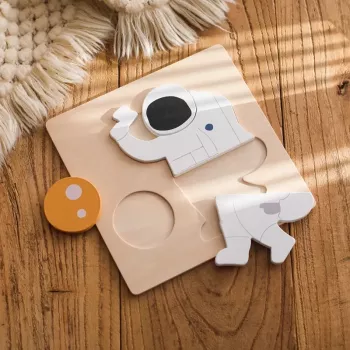
Who has the best wooden puzzles?
The “best” wooden puzzles usually come from brands that combine safe materials, tight quality control, and designs that match the player’s age and interests. Instead of a single winner for everyone, the top choice depends on what kind of wooden puzzle experience matters most: heirloom craftsmanship, educational play, or a theme that keeps kids engaged long enough to actually finish it.
What to look for in a truly great wooden puzzle
Start with materials and safety. Look for smooth edges, sturdy pieces that won’t splinter, and non-toxic finishes (water-based paints or sealed natural wood). For kids’ puzzles, larger pieces reduce frustration and help little hands grip easily.
Next, check the cut and fit. High-quality wooden puzzles feel satisfying: pieces seat cleanly without forcing, and they don’t pop out too easily. If it’s a board puzzle, the board should be rigid and flat so it won’t warp over time.
Which brands tend to stand out
For classic educational wooden puzzles, companies like Melissa & Doug are widely available and consistent. If you want premium, art-forward wooden puzzles, boutique makers and specialty shops often offer thicker wood, more precise cuts, and unique themes—though prices are typically higher.
For Montessori-inspired wooden puzzles, “best” often means skill-building: fine motor practice, hand-eye coordination, and problem solving. Theme matters here because it’s what keeps kids coming back to the puzzle repeatedly, which is where the learning sticks.
A strong pick for space-loving kids
If you’re shopping for a themed, Montessori-style board puzzle, a space design can be a win because it encourages naming objects, storytelling, and focused play. For a closer look at a wooden astronaut puzzle board and how it supports early skills, visit this guide: https://luckyyoungling.shop/guide-wooden-astronaut-puzzle-board-montessori-space-skills/.
FAQ
What age is best for wooden board puzzles?
Simple knob or chunky board puzzles often work well from around 1–3 years, while more detailed board puzzles and multi-piece sets fit ages 3+ and beyond. Match difficulty to attention span and hand strength for the best experience.








Leave a comment