Toddler to Big Sibling: A 1-Month Calm Transition Plan

Helping Your Toddler Adjust to a New Baby: A Calm, Practical Plan for a Smooth Sibling Transition
A new baby changes everything for a toddler—routines shift, attention is divided, and big feelings can show up fast. With a few simple preparations, consistent boundaries, and intentional connection, most families can reduce jealousy and help an older sibling feel secure and included. Below is a clear, step-by-step plan from the final weeks of pregnancy through the first month at home, plus a quick checklist you can reference day by day.
What’s going on for toddlers when a new baby arrives
Toddlers don’t just “notice” a new baby—they feel the ripple effect everywhere: less lap time, slower responses, new adult conversations, and sleep schedules that suddenly run the household. Even a typically easygoing toddler may react strongly because their sense of access and predictability has changed.
Common reactions include clinginess, tantrums, sleep disruptions, toileting regressions, hitting/throwing, and sudden “baby talk.” These behaviors are often stress signals, not a character flaw or a parenting failure. The goal is safety and steadiness: keep routines predictable, hold limits without anger, and help your toddler feel seen without making the baby the “reason” for rules.
If you want deeper, day-by-day support, consider Helping Your Toddler Adjust to a New Baby (digital checklist and parenting guide).
Prep before birth: small changes that prevent big battles
Preparation works best when it’s quiet and early—small adjustments that don’t get tied to the baby. If possible, introduce major transitions well before the due date (moving to a toddler bed, potty training, daycare changes). That way, your toddler doesn’t experience the baby as the “cause” of losing something familiar.
Practice waiting in tiny doses
Use short, doable turns: “I’m putting the cup on the counter, then it’s your turn,” paired with a visual timer. Start with 15–30 seconds and build gradually. You’re teaching a skill that will be used constantly once feedings and diaper changes begin.
Create a toddler-safe “yes space”
A yes space is a gated area or childproofed room where your toddler can play safely while you’re hands-on with the baby. Rotate a few favorites and include open-ended items (blocks, animal figures, chunky puzzles). If you’re doing any babyproofing now, Silicone baby safety socket covers can help reduce the “no, don’t touch” moments that spike when you’re tired.
Pick a few family phrases and stick to them
Simple, repeatable scripts lower everyone’s stress. Helpful options: “You’re safe,” “I won’t let you hit,” and “You can be mad; you’re still loved.” Consistency matters more than eloquence.
The first meeting and the first week: set the emotional tone
The introduction doesn’t need to be perfect—it needs to be calm and connected. When possible, greet your toddler first (a quick hug, eye contact, and a warm hello) before turning attention to the baby. That small sequence tells your toddler, “You still have a place here.”
Offer a big-sibling job that is genuinely helpful but optional: bring a diaper, choose a onesie, pick a lullaby, or carry a clean burp cloth. Optional is key—jobs shouldn’t become new pressure when your toddler is already adjusting.
A simple daily rhythm that supports both kids
Pair baby-care with toddler-friendly activities
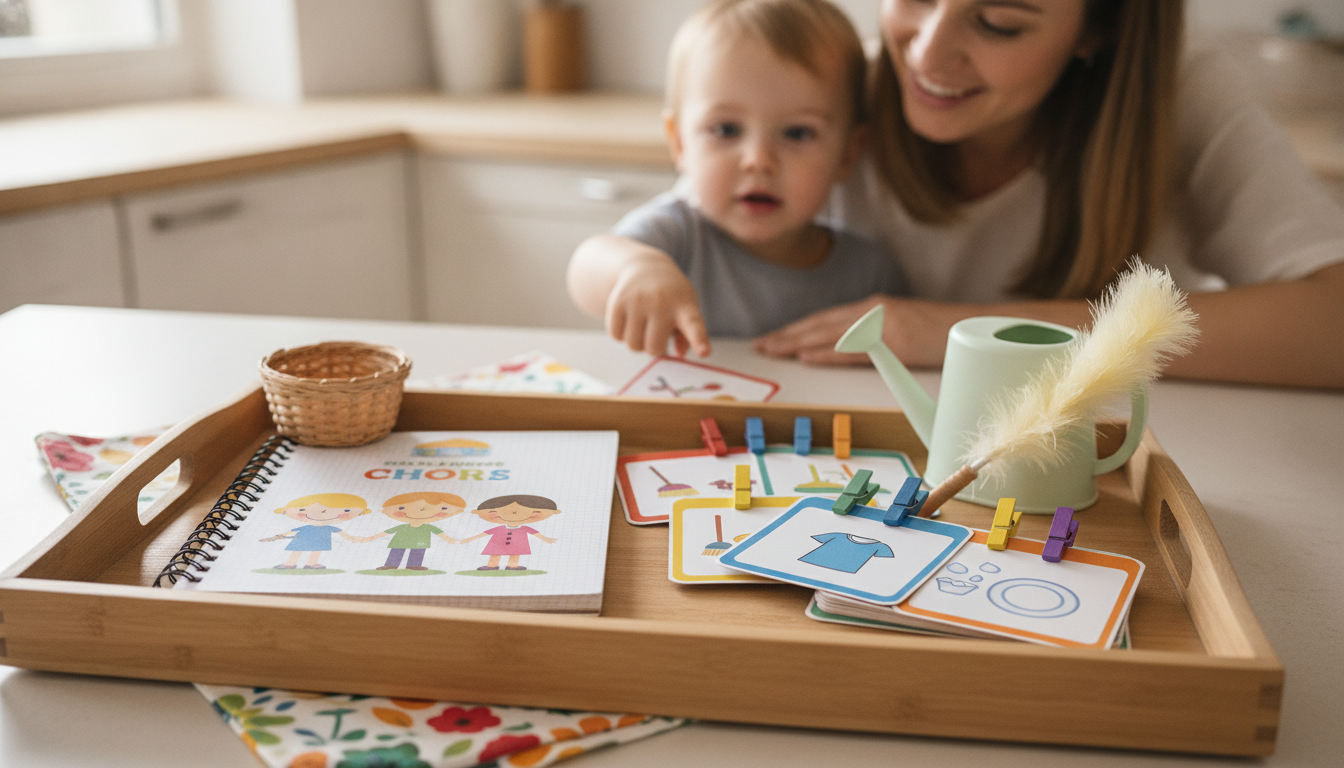
Set up a small basket that only appears during nursing/bottle sessions: stickers, reusable water-wow boards, lacing beads (supervised), or a few “special” books. Pair diaper changes with a toddler job (“Can you hand me the wipes?”) or a quick game (“Find the baby’s toes!”). If bottle feeding is part of your plan, Mixing Baby Bottles Safely and Easily (step-by-step formula mixing eBook) can streamline prep and reduce the frantic moments that toddlers tend to mirror.
Use connection before correction
First-Month Sibling Transition Checklist (Quick Reference)
| Timing | Focus | Try This | What to Watch For |
|---|---|---|---|
| Last 2–4 weeks before birth | Predictability | Practice waiting with a timer; set up a yes space; keep bedtime routine consistent | Increased clinginess or sleep changes |
| Homecoming day | Connection | Greet toddler first; offer a small “big sibling” role; keep tone calm | Shutting down, acting overly rough, or sudden tantrums |
| Week 1 | Boundaries + reassurance | Same rules as before; name feelings; schedule daily special time | Regression (sleep/toileting), increased whining |
| Weeks 2–4 | Inclusion + independence | “Helper” choices; nursing/bottle activity basket; one-on-one time with each parent when possible | Hitting/throwing, attention-seeking, defiance spikes |
Handling jealousy and rough behavior without shaming
Scripts that reduce power struggles
When extra support is a good idea
More guidance on sibling transitions is available from HealthyChildren.org (American Academy of Pediatrics), ZERO TO THREE, and the Mayo Clinic.
FAQ
How long does it usually take a toddler to adjust to a new baby?
Many toddlers settle into the new normal in a few weeks to a few months. Brief regressions are common, and behavior often spikes around weeks 2–6 when the novelty wears off. Consistent routines and daily one-on-one time help the adjustment happen faster.
What should be done if the toddler hits the baby?
Step in immediately and calmly: block the hit, move the baby to safety, and state the limit once (“I won’t let you hit”). Name the feeling and offer a safe alternative (stomp, squeeze a pillow, ask for a hug). Increase supervision and add more proactive connection so your toddler doesn’t have to “compete” for attention.
Is regression (sleep, potty, whining) normal after a new sibling is born?
Yes—regression is often a stress signal rather than misbehavior. Keep routines steady, lower demands temporarily, and give extra reassurance while celebrating small steps back toward independence. Avoid punishment for regression; it usually resolves as your toddler feels secure again.










Leave a comment