Best Training Sled: Choose for Speed, Strength, Surfaces
What kind of sled is best for training?
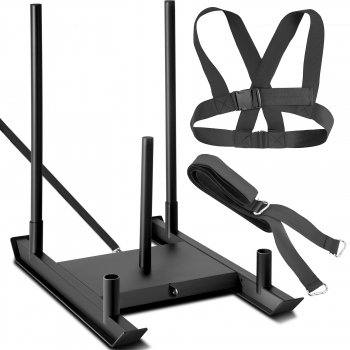
The best sled for training is the one that matches your surface, your goal (speed, strength, conditioning), and how easy you need it to be to load and pull. For most athletes, a flat-bottom weight sled that can be pushed and pulled is the most versatile starting point because it works for acceleration work, leg drive, and metabolic conditioning with simple weight changes.
Best all-around choice: a flat-bottom weight sled
A classic steel weight sled (often with a center post for plates and optional push poles) is a strong pick for general training. It’s stable under load, handles heavy drags, and lets you switch between forward drags, backward drags, and sled pushes. If you train on turf, rubber, or a smooth lot, this style typically provides consistent resistance and holds up well over time.
Best for speed work: a lighter sled with smooth glide
If your priority is sprint mechanics and acceleration, choose a sled that glides smoothly and can be loaded in small increments. A lighter frame lets you keep resistance low enough to maintain form, while still adding a useful overload. Pair it with a comfortable harness so the pull line stays steady and doesn’t tug at your hips or lower back.
Best for rough outdoor surfaces: a tire or hybrid option
On asphalt, gravel, or uneven ground, a tire sled (or sled designed for outdoor abrasion) can be easier to manage and less likely to catch. The tradeoff is less predictable resistance and slightly more setup. For garages and driveways, this can still be a practical solution when a flat sled would grind down quickly.
Don’t overlook the harness and attachment
A quality harness matters as much as the sled. Look for wide padding, solid stitching, and an attachment point that keeps the pull low and straight. A rotating carabiner or swivel can reduce line twist during longer conditioning drags.
For a deeper breakdown of sled types, harness fit, and how to load for speed and power, see the full guide here: https://luckyyoungling.shop/guide-weight-sled-harness-speed-power-conditioning/.
FAQ
How much weight should you put on a training sled?
Use the lightest load that lets you hit the goal: for speed, keep it light enough to maintain sprint form; for strength, add weight until the effort is challenging but controlled. Increase gradually to avoid technique breakdown and excessive joint stress.










Leave a comment