Toddler Fever Care: Calm Comfort Steps & Red Flags
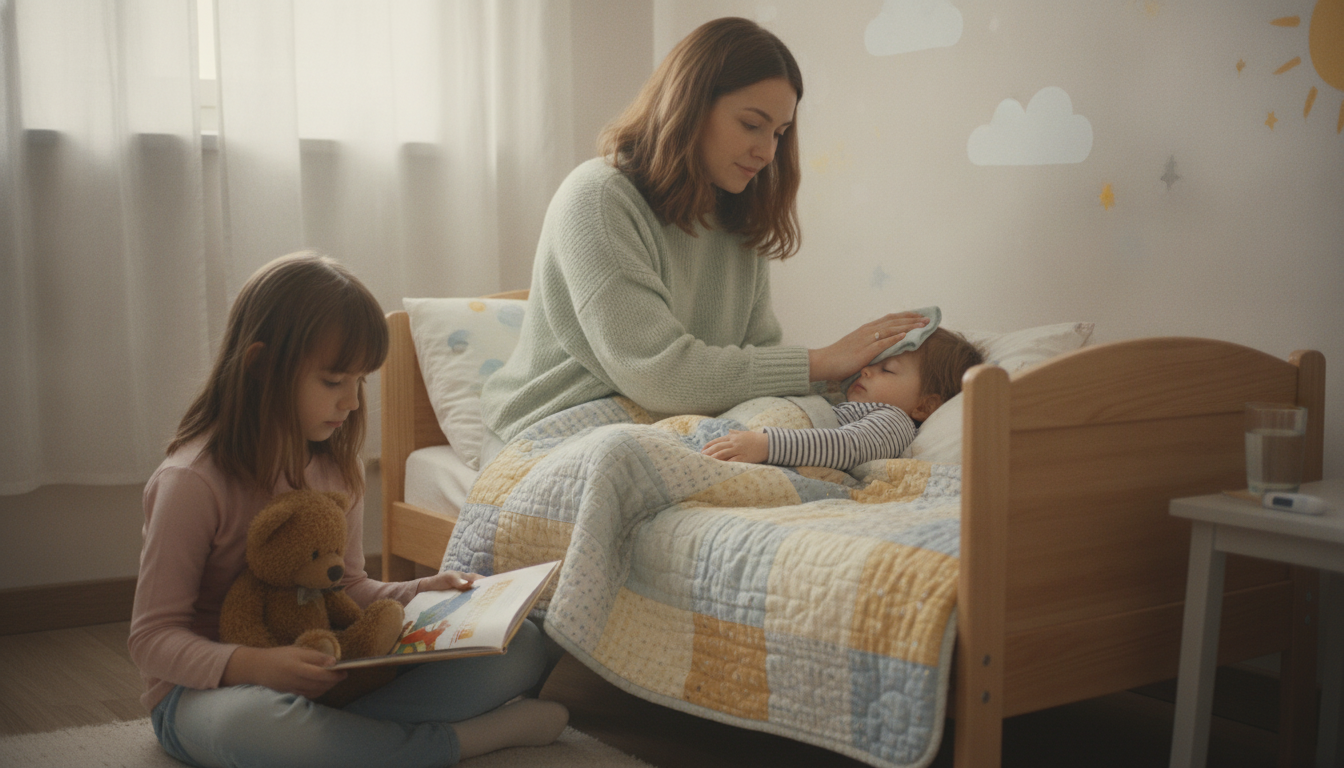
Start with the basics: what a fever is (and why it happens)
A fever can feel alarming, especially when a toddler is flushed, clingy, and unable to sleep. In most cases, fever is the body’s normal response to infection—part of how the immune system slows germs down and signals the body to fight back. The number on the thermometer matters, but how your child is acting overall often matters more: breathing comfort, hydration, alertness, and whether they can be soothed.
As temperature rises and falls, toddlers may cycle through being hot, shivery, sweaty, cranky, or unusually sleepy. These shifts can happen quickly and can look dramatic. Your priorities are simple: keep your child hydrated, keep breathing easy, and keep them responsive and supported. A reliable digital thermometer and a small written log can reduce guesswork and help you notice trends.
Check temperature and symptoms calmly
Pick one thermometer method and use it consistently, following the device instructions. Record the time, the method used, and what you notice about your toddler’s behavior. This creates a clearer picture than repeated checking, which can spike anxiety for everyone—especially during the night.
Instead of measuring again and again “just to be sure,” re-check when symptoms change (new shivering, sudden sleepiness, increased discomfort) or when deciding whether to call a clinician. Pay close attention to behavior cues such as alertness, ability to drink, tears when crying, and whether your child can be comforted in your arms.
Quick fever check-in: what to note each time
| What to track | Examples | Why it helps |
|---|---|---|
| Temperature + method | 101.8°F (38.8°C) temporal; 7:30 pm | Makes trends clearer and avoids guesswork |
| Hydration | Sips taken; wet diaper/pee count | Dehydration risk matters more than the exact number |
| Energy + responsiveness | Wants to cuddle; answers questions; makes eye contact | Helps judge severity and need for urgent care |
| Breathing + color | Comfortable breathing; normal lips/skin tone | Breathing problems require urgent evaluation |
| Other symptoms | Rash, ear pain, vomiting, diarrhea, stiff neck | Guides next steps and clinician calls |
Natural comfort steps that often help
Most fever care is comfort care. You’re aiming to lower stress on the body, support hydration, and make rest easier while the immune system works.
Hydration first
Offer frequent, small sips of water or preferred fluids. If your clinician recommends an oral rehydration solution, use it as directed. Popsicles or ice chips can be a surprisingly effective option when your toddler refuses cups—especially if a sore throat is part of the picture.
Dress for comfort (not for “sweating it out”)
Choose light layers and breathable fabrics. Avoid bundling, heavy blankets, or overdressing, which can trap heat and make your child more uncomfortable.
Set up the room
Keep the environment comfortably cool, dim, and quiet. If congestion is present, a humidifier may help breathing feel less work-intensive—just be sure to clean it as the manufacturer directs to prevent mold buildup.
Gentle cooling only
Skip ice baths and cold plunges, which can cause shivering and raise discomfort. If your toddler likes it, a slightly cool washcloth on the forehead can feel soothing. If they hate it, don’t push it—the goal is calm.
Food is optional
Appetite often drops with fever. Prioritize fluids; offer bland, easy foods if your child wants them (broth, yogurt, bananas, toast). Forcing meals can create conflict when your toddler’s body is asking for rest.
Gentle parenting during illness: co-regulation and reassurance
Fever days can make toddlers feel confused and scared. A gentle parenting approach focuses on connection first, which often makes practical care (drinking, checking temperature, resting) go more smoothly.
Nighttime plan: rest without constant disruption
Prepare a bedside kit
Aim for longer rest blocks
Comfort strategies that support regulation
When to call a clinician or seek urgent care
Trust your instincts. If something feels “off” beyond typical illness behavior, getting medical guidance is appropriate. For general fever guidance, see trusted resources like American Academy of Pediatrics (HealthyChildren.org) and the NHS fever in children overview.
Seek urgent care immediately if you notice:
Call a clinician for guidance if:
A printable plan for stressful moments
If you want something you can print and reuse, the Caring for Your Toddler During a Fever printable guide is designed to keep fever care calm, consistent, and caregiver-friendly—especially during overnight wake-ups or handoffs between parents and grandparents.
Product details: Caring for Your Toddler During a Fever (printable digital download)
Helpful add-ons for a safer, simpler home routine
- 6-Pack Silicone Baby Safety Socket Covers to reduce worry about outlets when you’re juggling cuddles, cleanup, and hydration.
- Mixing Baby Bottles Safely and Easily guide for caregivers who are also prepping bottles for a younger sibling (or want a clear reference when fatigue hits).
FAQ
How high is too high for a toddler fever?
The temperature number is only one piece of the picture—how your toddler is breathing, drinking, and responding matters a lot. If the fever is high, persistent, or paired with concerning symptoms (like dehydration, breathing trouble, or unusual sleepiness), contact a pediatric clinician for personalized guidance.
How can a toddler be kept comfortable with a fever without medicine?
Focus on hydration, light clothing, a comfortably cool room, and low-demand rest routines with lots of connection. If your child can’t stay hydrated, is worsening, or can’t be soothed, seek medical advice.
When should urgent care be considered for a fever?
Consider urgent care for trouble breathing, bluish color around lips/skin, seizures, unresponsiveness, severe dehydration signs, stiff neck, or a rapidly worsening condition. When in doubt, it’s appropriate to get prompt professional evaluation.








Leave a comment