Stainless Steel Suction Weaning Set for Kids (BPA-Free)
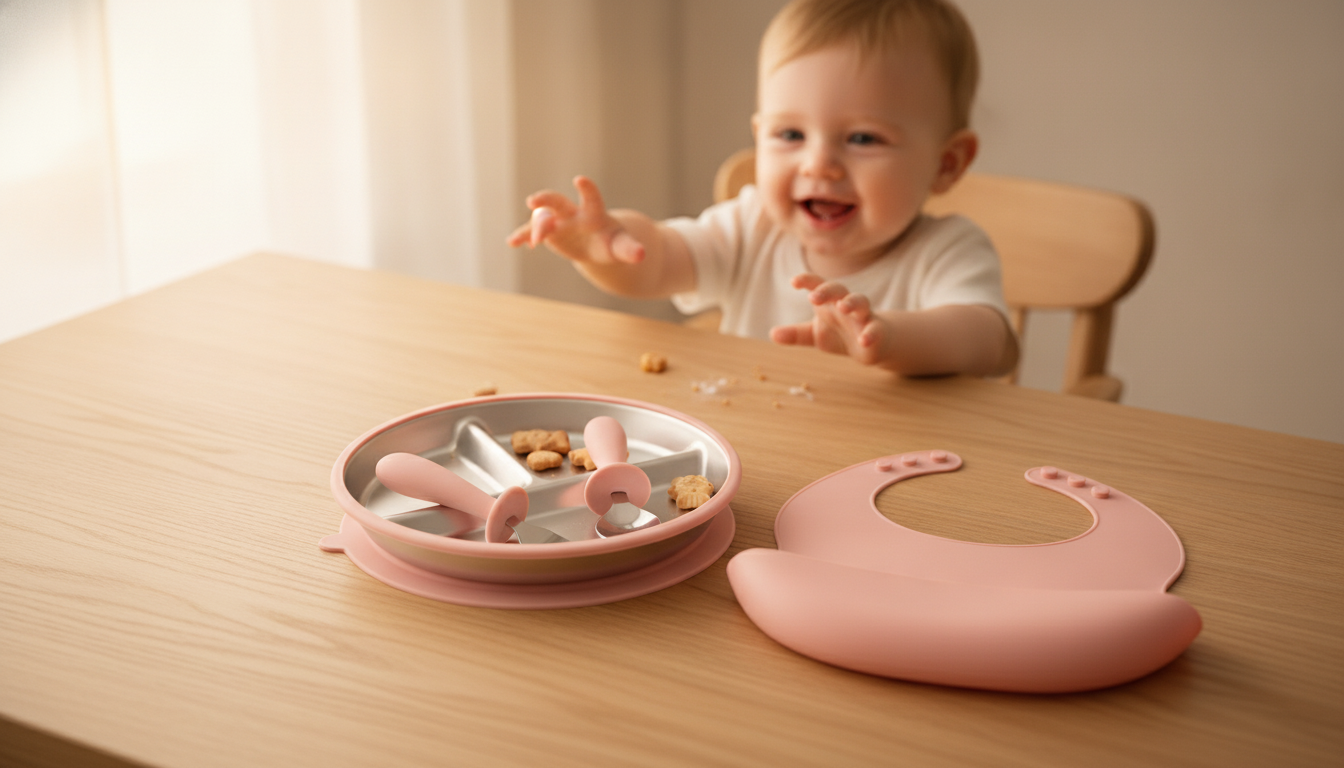
Kids Stainless Steel Weaning Tableware Set with BPA-Free Silicone Suction
A sturdy weaning set can make early self-feeding less messy and more comfortable for little hands. This stainless steel and silicone suction combo is designed to stay put on the table, support portioning, and hold up to daily use. For families starting solids and practicing independence, a stable plate or bowl often means more food makes it into your child’s mouth—and less ends up on the floor.
What’s included and what each piece does
This set centers around two materials chosen for everyday feeding: stainless steel where food touches, and BPA-free silicone for a grippy suction base. Together, they’re meant to support the “learning curve” stage—when babies want to do it themselves, but gravity (and curiosity) wins a lot.
- Stainless steel food-contact surfaces help resist stains, odors, and lingering flavors—handy when your menu rotates between banana, yogurt, marinara, and curry.
- BPA-free silicone suction base helps reduce tipping and plate-launching during early self-feeding, especially on smooth highchair trays.
- Smooth edges and a kid-friendly shape support scooping and learning utensil control without sharp corners that trap food.
- Flexible for different stages: useful for purees, mashed foods, and finger foods as textures advance.
Why stainless steel and silicone work well for weaning
Many families start with plastic, then realize that daily use can leave behind scratches and cloudiness that make cleanup feel harder over time. Stainless steel tends to stay looking (and smelling) fresher longer, while silicone adds the “stay-put” function that steel alone can’t provide.
- Durability and long-term hygiene: stainless steel is tough and less prone to deep scratching than many plastics, which can help keep food-contact surfaces smoother.
- Stability without extra pieces: silicone suction can add grip without requiring a separate placemat, especially on non-porous trays.
- A balanced feel: steel brings structure and weight; silicone adds cushioning and traction.
- Less mealtime frustration: a steadier dish helps babies focus on grasping, scooping, and tasting instead of chasing a sliding plate.
If you’re looking for general guidance on introducing solids and building a routine, the American Academy of Pediatrics has a helpful overview on starting solid foods.
Suction performance: what affects it
Suction can feel “magical” one day and finicky the next, mostly because it depends on surface type and cleanliness. A good seal needs a smooth, flat, non-porous surface and a base free of crumbs or oily residue.
- Best hold is typically on clean, smooth, non-porous surfaces (sealed wood, plastic highchair trays, glass).
- Quick wipe matters: crumbs, oil, or soap residue can weaken the seal—wipe the tray and the silicone base, then dry.
- Seat it firmly: press down around the base to push out trapped air; check that the surface is flat.
- If suction seems weak, try a different spot on the tray or use a smooth suction mat underneath.
Suction troubleshooting checklist
| Issue | Likely cause | Quick fix |
|---|---|---|
| Plate lifts easily | Crumbs/grease under base | Wipe base and surface; dry fully |
| Suction won’t seal | Surface is textured/porous | Move to smoother area or add a smooth mat |
| Suction works then releases | Food/liquid under edge | Clean and re-seat; press edges firmly |
| Child breaks suction quickly | Edge is easy to peel | Rotate placement; keep an eye during meals |
Care, cleaning, and daily hygiene
Consistent cleaning habits help any weaning set last longer—especially when it’s used multiple times a day.
- Rinse soon after meals to prevent dried-on residue, especially with oatmeal, potatoes, nut butters, or creamy sauces.
- Wash with warm soapy water; use a soft brush for corners and seams around the silicone base where food can hide.
- Dry completely before stacking to reduce trapped moisture (a common source of “musty” smells).
- Inspect periodically for damage: warped silicone, deep scratches, or a loosened fit between components.
For more general infant feeding safety and nutrition basics, the CDC’s Infant and Toddler Nutrition resource is a solid reference.
Safety notes for babies and toddlers
- Adult supervision is essential; suction helps reduce spills but doesn’t replace monitoring during meals.
- Check temperature before serving: metal can feel cool or warm depending on the food and environment, and it can conduct heat/cold faster than some other materials.
- Avoid harsh abrasives that can roughen surfaces and make cleaning harder over time.
- Replace if damaged: if any part shows cracking, sharp edges, or deformation, discontinue use.
If BPA-free materials are important in your household, the FDA provides background on BPA and food-contact applications.
Who it’s best for and when to start
Product snapshot
Quick details
| Item | Details |
|---|---|
| Product page | Kids Stainless Steel Weaning Tableware Set with BPA-Free Silicone Suction |
| Price | $22.67 USD |
| Stock status | In stock |
| Core materials | Stainless steel + BPA-free silicone suction |
Related in-stock picks for a safer, smoother routine
- 6-Pack Silicone Baby Safety Socket Covers – European Outlet Childproof Guards for quick childproofing in feeding areas and play spaces.
- Mixing Baby Bottles Safely and Easily | Step-by-Step Formula Mixing eBook for caregivers balancing bottles alongside solids.
FAQ
Does the suction work on textured highchair trays?
Suction typically holds best on smooth, clean, non-porous surfaces. Textured or porous trays can break the seal, so wiping both surfaces and trying a smoother area (or adding a smooth suction mat) usually improves performance.
Is stainless steel safe for babies starting solids?
Stainless steel is widely used for food-contact items and is generally a durable option for starting solids. Inspect it regularly for damage, clean it gently, supervise meals, and check food temperature since metal can conduct heat and cold.
How should it be cleaned to keep it hygienic?
Rinse soon after use, wash with warm soapy water using a soft brush for seams, and dry completely before stacking. Avoid harsh abrasives and check periodically for wear that could make cleaning less effective.










Leave a comment