Penguin Silicone Sippy Cup: Easy Grip for Baby & Toddler
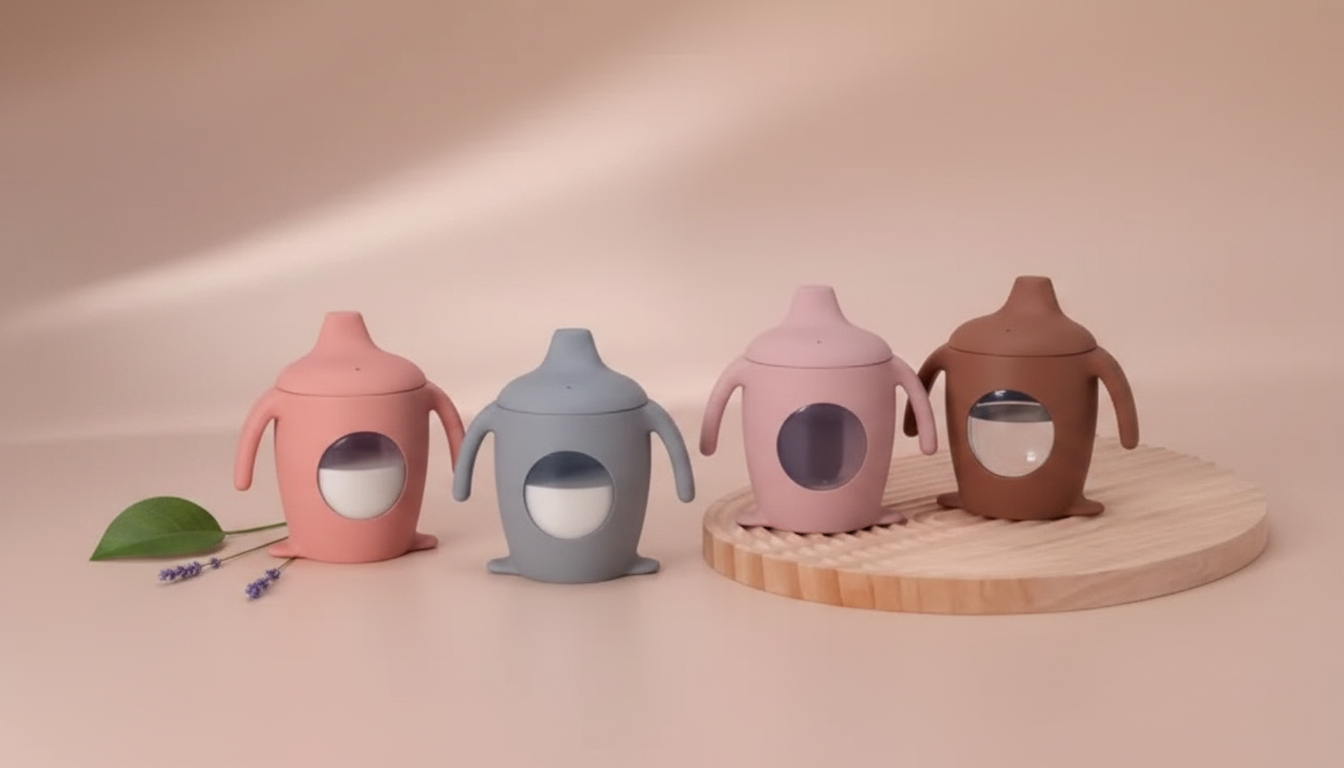
Penguin-Shaped Silicone Baby Sippy Cup: A Cute, Grippy Cup for Little Hands
A penguin-shaped silicone sippy cup can make the switch from bottle to cup feel more inviting while staying practical for daily use. Soft-touch silicone helps with grip, the friendly shape encourages curiosity, and simple parts can make cleanup easier for busy caregivers.
If you’re shopping for a first “big kid” cup, the Penguin-Shaped Silicone Baby Sippy Cup is a playful option that still focuses on everyday basics: a holdable body, a comfortable feel, and a design that fits into meal routines at home and on the go.
What makes a penguin-shaped silicone sippy cup different
- Playful penguin styling that can encourage interest and make “drink time” feel like a familiar routine.
- Soft silicone texture that’s typically easier for little hands to grip than many hard plastics.
- Designed for small hands: a rounded body and grippy feel can support early independence.
- Practical for real life: useful for water or milk during meals, travel, stroller time, and daycare bags.
For families who are also working on healthy drink habits, guidance from the CDC’s Infant and Toddler Nutrition pages can help with age-appropriate beverage choices and routines.
Materials and safety checks to look for
Silicone cups are popular for a reason: food-contact silicone is valued for being flexible, durable, and generally less prone to shattering than rigid materials. Still, a quick check before buying (and regularly during use) can prevent common hassles.
- Surface quality matters: choose a smooth, non-sticky finish and clean seams; avoid sharp edges or a strong chemical odor.
- Confirm age suitability: follow the product’s age guidance and always supervise, especially early in the sippy-cup stage.
- Use only as intended: avoid very hot liquids that could warm the cup and increase spill risk.
- Check lid/spout/straw fit: if the cup includes multiple pieces, ensure they seat securely before handing it to a child.
For broader feeding and drink guidance, the American Academy of Pediatrics (HealthyChildren.org) is a helpful reference for common parent questions and safety reminders.
Comfort and grip: why shape matters for learning
Early cup practice is often less about “perfect drinking” and more about building comfort: lifting, angling, sipping, and setting the cup down without frustration. Shape plays a big role in how quickly a child learns those motions.
- A rounded penguin body encourages two-hand holding, prompting a natural posture for beginners.
- Soft silicone helps reduce slips when hands are wet or coordination is still developing.
- A stable base reduces tip-overs on highchair trays and small tables.
- Lightweight construction can make it easier to lift and sip without tipping too far back.
Small wins matter here: a cup that feels “easy” to pick up tends to get offered more often—and that repeated practice is what builds confidence over time.
Spills, flow, and everyday practicality
Spills aren’t always a sign a cup is “bad”—they’re often a sign a child is learning. Still, a few practical checks can cut down on surprise leaks and frustrating cleanup.
- Flow rate affects comfort: slower flow is often easier for training; faster flow can cause coughing or dribbles for new users.
- Seal alignment prevents bag leaks: make sure lids and seals sit evenly; small misalignments commonly cause drips in diaper bags.
- Inspect straw/spout openings: look for buildup and replace parts if torn, stretched, or no longer sealing well.
- Pack a backup cup: keeping a second option in the diaper bag can save an outing.
Cleaning and care for silicone cups
Silicone is generally straightforward to maintain, but odors and residue can develop if moisture gets trapped in small channels or if pieces are reassembled while damp.
Quick comparison: silicone sippy cup vs common alternatives
| Cup type | Best for | Pros | Watch-outs |
|---|---|---|---|
| Silicone sippy cup (penguin-style) | Early independence and grip practice | Soft feel, easy to hold, playful design | Check lid seals; clean small parts carefully |
| Hard plastic sippy cup | Everyday use with familiar shapes | Often lightweight and widely available | May scratch over time; can be slippery |
| Stainless steel toddler cup | Keeping drinks cool longer | Durable, temperature retention | Heavier; can dent; may be noisier on surfaces |
| Open training cup | Skill-building for open-cup drinking | Supports sipping skills and pacing | More spills; needs close supervision |
Tips for introducing a sippy cup without frustration
Pairing it with other baby-safety and feeding essentials
- Build a “daily basics” kit: a primary sippy cup, a backup cup, and a small cleaning brush for travel.
- Support the mobility stage: when babies begin exploring, simple childproofing can reduce stress—consider the 6-Pack Silicone Baby Safety Socket Covers – European Outlet Childproof Guards for rooms with accessible outlets.
- Keep feeding steps consistent: if formula is part of the routine, clear mixing steps can help reduce clumps and improve comfort—see Mixing Baby Bottles Safely and Easily (formula mixing eBook).
When you’re ready to try a cute, grip-friendly training cup, the Penguin-Shaped Silicone Baby Sippy Cup is an easy addition to meal times, stroller walks, and daycare packing lists.
FAQ
What age is a silicone sippy cup good for?
Many babies start practicing cups around 6 months and continue building skills through the toddler years, but readiness varies. Follow the product’s age guidance and supervise drinking, especially when a child is first learning.
How can leaks be prevented in a sippy cup?
Check that silicone seals are clean and seated evenly, align lids fully, and avoid overfilling. Confirm valves or straw pieces are fitted correctly, and replace any part that looks stretched, torn, or no longer seals tightly.
How should a silicone sippy cup be cleaned to avoid odors?
Disassemble removable parts, wash drinking channels with a small brush, rinse thoroughly, and let everything dry completely before reassembling. If odors linger, soak the silicone in warm water with mild dish soap, then air-dry fully.










Leave a comment