6PCS Baby Feeding Bowl & Utensil Set: Less Mess, More Skills
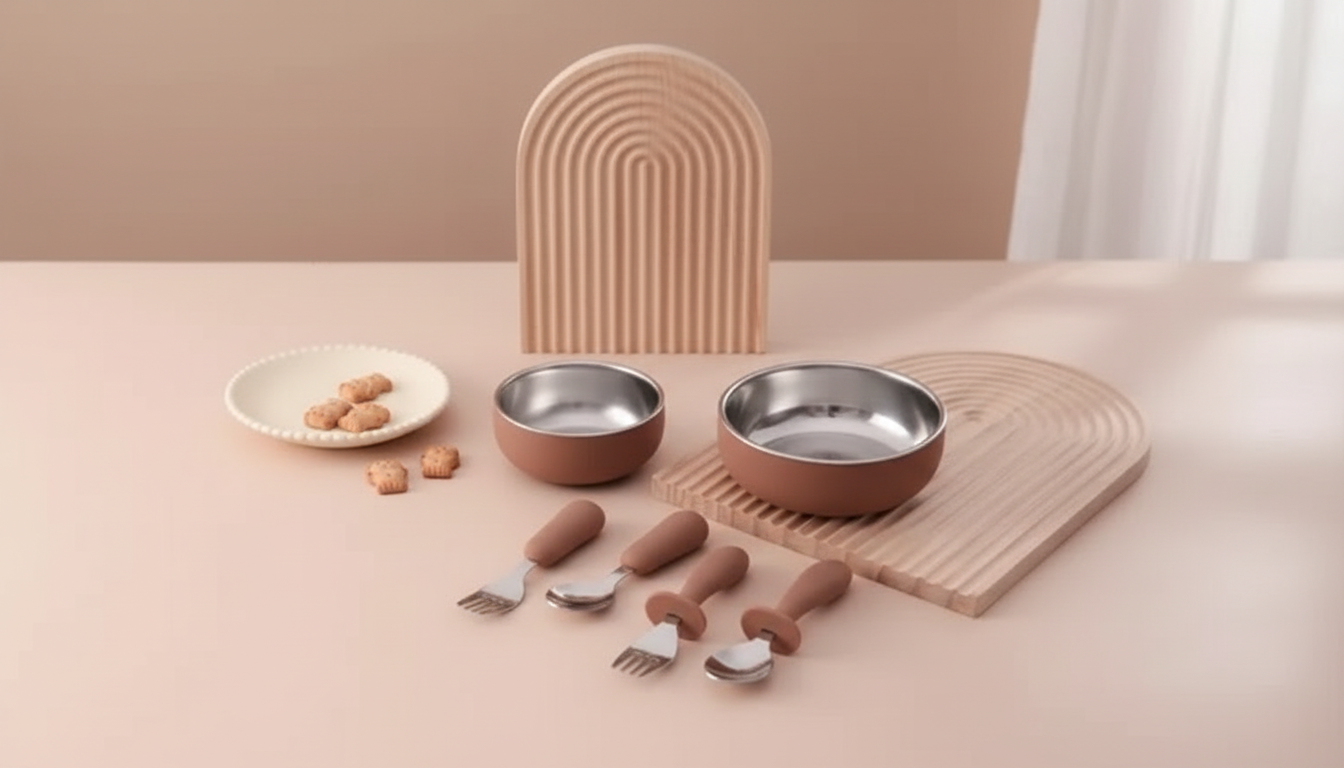
6PCS Baby Feeding Bowl & Utensil Set for Easier, Less Messy Mealtimes
A coordinated bowl-and-utensil set can make the shift to solids feel far more manageable: portions stay small, tiny hands get tools that fit, and caregivers spend less time chasing spills. A well-designed 6-piece baby feeding bowl and utensil set also supports early self-feeding skills by keeping the routine consistent—same bowl, same spoon shape, same grip—meal after meal. Below is a practical guide to what’s typically included, what safety checks matter, how to use the set as your baby progresses, and how to keep everything clean for everyday use.
What’s Included in a 6-Piece Feeding Bowl & Utensil Set
Most 6-piece sets combine a baby-sized bowl with a few matching utensils, usually two or more spoons and either a fork or an additional spoon. The goal is simple: give babies repeat practice with the same shapes while giving caregivers backups for travel, daycare, and dishwasher cycles.
- Typical pieces include a baby-sized bowl plus matching utensils designed for small hands and gentle gums.
- Utensils often include a spoon (for purees) plus a fork or second spoon (useful as textures thicken).
- A coordinated set creates one “go-to” kit for home meals, on-the-go feeding, or childcare.
- Look for rounded edges, comfortable handles, and a bowl size that suits smaller, beginner-friendly portions.
Common pieces and what they’re used for
| Piece | Best for | Helpful details to look for |
|---|---|---|
| Baby bowl | Purees, oatmeal, yogurt, soft finger foods | Stable base, easy-to-grip rim, smooth interior for easier scooping |
| Baby spoon | First tastes and purees | Soft/rounded tip, short-to-medium handle for better control |
| Baby fork or second utensil | Soft solids and early self-feeding practice | Blunt tines or rounded ends, comfortable grip |
| Extra utensils | Backup for outings, daycare, or dishwasher cycles | Matching size and shape so baby gets consistent practice |
Safety and Material Checks That Matter
Because these pieces are used multiple times a day and spend a lot of time in baby’s mouth, safety and material quality are as important as convenience.
- Prioritize food-contact safety: choose items labeled food-grade and check for “BPA-free” or similar material notes when applicable. The FDA provides background on BPA and food-contact uses here: FDA: Bisphenol A (BPA) in Food Contact Applications.
- Choose designs with smooth seams and rounded edges to help reduce mouth irritation and prevent food from collecting in creases.
- For plastic or silicone pieces, confirm they can handle the temperatures you plan to use (warm purees, dishwasher heat, and occasional hot foods). Avoid sudden temperature shocks that can warp some materials.
- Inspect regularly for cracks, warping, deep scratches, or peeling; replace damaged pieces that can trap residue or break during use.
For guidance on readiness and safe feeding progression, these overviews can help you align mealtime tools with your baby’s stage: American Academy of Pediatrics: Starting Solid Foods and CDC: Infant and Toddler Nutrition.
Using the Set by Feeding Stage (From First Bites to Self-Feeding)
The most helpful feeding sets work with your baby’s progression instead of forcing it. Here are simple ways to use a bowl and utensils as skills build.
Early stage: first spoonfuls
- Use the bowl for very small servings—just a few spoonfuls at a time—so food stays fresher and cleanup stays simpler.
- Choose a spoon with a shallow scoop to avoid overloading bites; smaller bites are easier to manage and less likely to trigger gagging.
Building skills: thicker textures
- As approved by your pediatrician, move toward thicker purees and mashed foods that “stick” to the spoon instead of sliding off.
- Encourage your baby to hold the utensil while you guide the motion (hand-over-hand). This builds coordination without turning the meal into a struggle.
Self-feeding practice: supported independence
Cleaning and Care for Daily Use
Practical Tips to Reduce Spills and Frustration
Product Options to Build a Consistent Mealtime Routine
Featured: 6PCS Baby Feeding Bowl & Utensil Set
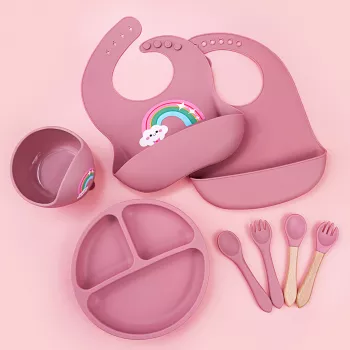
If you want an all-in-one starter kit for solids (or a dependable backup for travel and childcare), the 6PCS Baby Feeding Bowl & Utensil Set is a practical way to keep one consistent setup ready to go. It’s priced at $27.01 and currently in stock.
Helpful add-on: Mixing Baby Bottles Safely and Easily guide
Many households juggle both bottles and solids during the transition months. The Mixing Baby Bottles Safely and Easily guide can be a convenient reference for parents who want a clearer, step-by-step routine for bottle prep alongside mealtime planning.
Home safety bonus: babyproofing essentials
Mealtimes often move from high chair to exploring the kitchen and living room. If you’re tightening up safety at home, the 6-Pack Silicone Baby Safety Socket Covers – European Outlet Childproof Guards can help cover outlets in areas your baby can reach during that curious crawling stage.
FAQ
What age is a baby feeding bowl and utensil set best for?
Many babies start solids around 6 months, but the right timing depends on readiness signs and pediatric guidance. Look for sitting with support, good head control, and interest in bringing food to the mouth.
How do the utensils help with self-feeding?
Baby utensils are sized for small hands and often have gentler, rounded tips that feel more comfortable on gums. Preloading a spoon lets babies practice the “grab-and-bring” motion while an adult supervises and supports pacing.
How often should feeding bowls and utensils be replaced?
Replace pieces that are cracked, warped, deeply scratched, or peeling, since damage can trap residue and make hygiene harder. If odors persist even after thorough washing, it may also be time to swap that piece out.










Leave a comment