5PCS Silicone Baby Feeding Set: Suction Plate & Bib
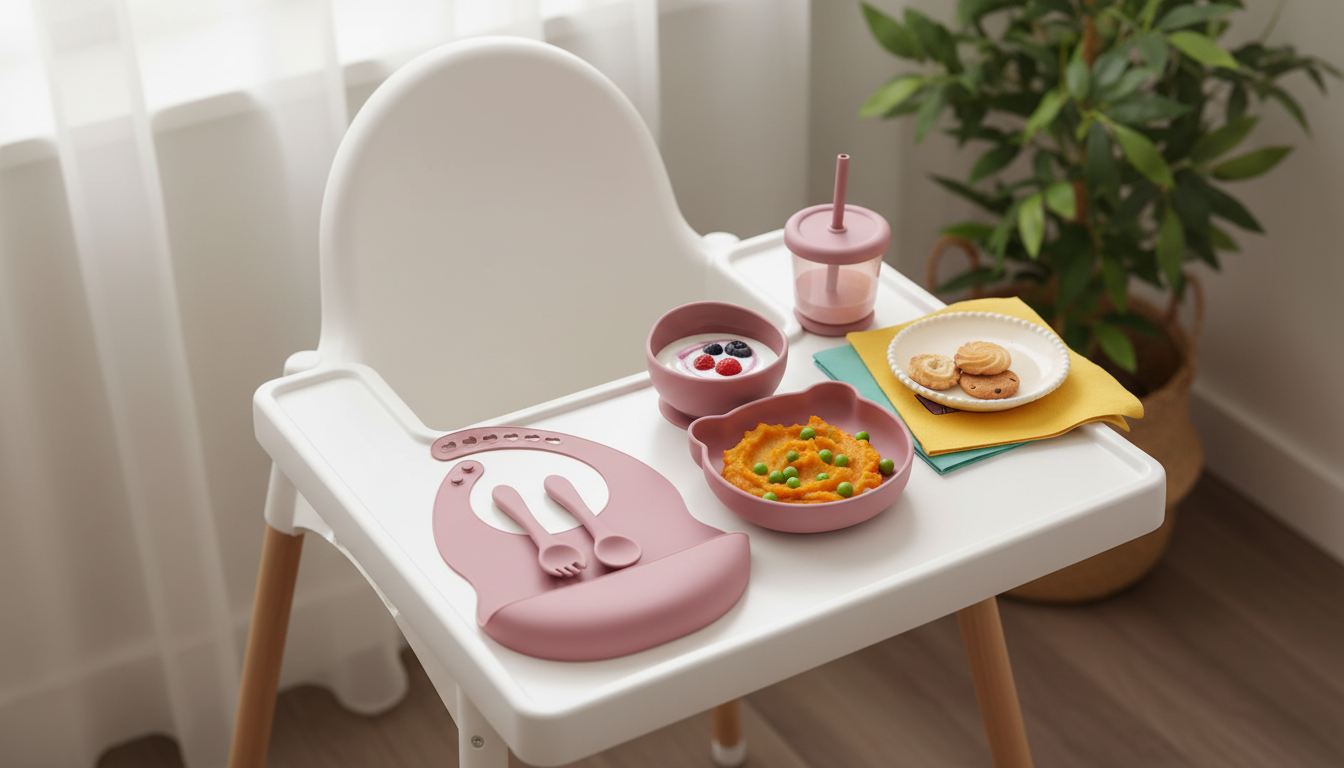
5PCS Silicone Baby Feeding Set with Suction Plate, Spoon, Fork & Bib
Mealtime gets easier when the basics work together: a plate that stays put, utensils sized for little hands, and a bib that helps keep cleanup simple. The 5PCS Silicone Baby Feeding Set with Suction Plate, Spoon, Fork & Bib is designed for daily use at home or on the go, supporting early self-feeding while reducing spills and mess.
What’s Included in the 5-Piece Set
This set keeps the core feeding tools consistent from breakfast through dinner, which can be especially helpful when babies are learning routines and caregivers want fewer “where did the spoon go?” moments.
- Suction plate designed to help limit sliding, tipping, and plate tossing during meals
- Baby spoon and fork sized for early self-feeding practice
- Silicone bib to catch drips and dropped bites
- All-in-one set helps keep mealtime essentials consistent across breakfast, lunch, and dinner
Set Components at a Glance
| Item | Purpose | Helpful Notes |
|---|---|---|
| Suction plate | Helps keep food in place and reduces spills | Best suction on smooth, clean, non-porous surfaces |
| Spoon | Supports first bites and soft foods | Gentle material for sensitive gums |
| Fork | Helps transition to textured foods and finger foods | Useful for soft solids (banana, pasta, steamed veggies) |
| Silicone bib | Catches crumbs and drips to reduce outfit changes | Wipe-clean design; check fit at neck for comfort |
| 5-piece bundle | Simplifies setup and storage | Convenient for daycare bags and travel kits |
Why Silicone Works Well for Baby Feeding
Silicone is popular for early feeding accessories because it can balance comfort, grip, and everyday practicality. Many families like it for the learning phase, when dropping, chewing, and tossing are all part of the process.
- Soft, flexible material can be more comfortable than rigid plastic during early feeding stages
- Grippy surface can help keep items from sliding on high-chair trays and tables
- Typically easier to rinse and wipe between meals compared with fabric-heavy options
- Durable for repeated daily use when cleaned and stored properly
For general guidance on materials intended to contact food, the U.S. Food & Drug Administration provides background on food-contact substances and packaging considerations: U.S. Food & Drug Administration — Food Contact Substances.
Suction Plate Tips: Getting a Strong Hold
Suction works best when the surface and the base can create a complete seal. A little setup can make a noticeable difference in how well the plate stays put.
- Place the plate on a smooth, clean, dry surface (common best surfaces: sealed wood, glass, polished plastic trays)
- Press down firmly across the base to remove air pockets and improve suction
- Avoid textured, matte, or porous surfaces where suction cannot fully seal
- Lift to release using the edge/tab (if present) rather than pulling straight up from the center
If suction is inconsistent, try wiping the tray/table with a damp cloth, drying fully, then pressing the plate down again. Even a light film of crumbs or moisture can interfere with the seal.
Utensils for Self-Feeding Milestones
Utensils sized for babies help make practice feel achievable. Early wins matter: a spoon that’s easier to hold and gentler on gums can reduce frustration for both baby and caregiver.
- Start with thicker purees and soft foods that cling to the spoon to reduce frustration
- Offer short practice sessions so baby can explore grip and mouth coordination without pressure
- Use the fork later for softer solids once baby is reliably bringing food to the mouth
- Always supervise utensil use and check for any damage before meals
For broader feeding-readiness guidance and age-appropriate considerations, see: American Academy of Pediatrics — Starting Solid Foods.
Bib Fit, Comfort, and Mess Control
A bib can do more than protect clothing. When it fits well and the pocket stays open, it can reduce food ending up in laps, high-chair creases, and sleeves.
Cleaning and Care for Daily Use
Safety Notes Parents Commonly Look For
Feeding gear is only one piece of safe mealtimes; food prep, posture, and supervision matter just as much. For choking prevention basics and hazard awareness, consult: CDC — Choking Hazards.
When This Set Is Most Useful
Pairing Ideas for a Safer, Smoother Home Setup
- Add outlet covers in play and eating areas to help reduce hazards as baby becomes more mobile; consider 6-Pack Silicone Baby Safety Socket Covers – European Outlet Childproof Guards
- Keep feeding accessories in a dedicated bin so everything is quick to grab and easy to sanitize
- Use a stable high chair with a footrest when possible to support posture during meals
For caregivers building a complete feeding routine, a clear, step-by-step guide can be helpful alongside solid-food gear, such as Mixing Baby Bottles Safely and Easily | Step-by-Step Formula Mixing eBook for New Parents.
FAQ
Does a suction plate work on every table or high-chair tray?
No. Suction works best on smooth, clean, non-porous surfaces; textured, matte, or porous materials often prevent a full seal. Wipe the surface clean and dry, then press firmly across the base to improve grip.
How should silicone feeding items be cleaned to prevent odors?
Wash with mild soap and warm water, rinse thoroughly, and let everything dry completely before storing. Odors are more likely to linger when items are stored while damp or kept in a closed container without airflow.
When can a baby start using a spoon and fork?
Many babies start practicing with a spoon around the time they show readiness for solids, beginning with thicker purees and short, supervised practice. A fork is often introduced later for soft solids once bringing food to the mouth is more consistent; follow pediatric guidance for your child’s stage.









Leave a comment