47.2″ Folding Adjustable Wooden Dog Ramp: Safe Access
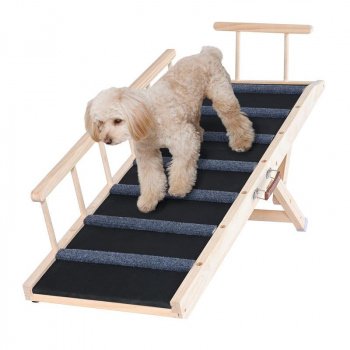
Folding Adjustable Wooden Pet Ramp (47.2″) for Small and Large Dogs
Jumping onto beds, couches, or into cars can put extra stress on joints—especially for seniors, short-legged breeds, or dogs recovering from injury. A folding, angle-adjustable wooden ramp helps pets move up and down with less impact while keeping footing stable on the way. For many households, the most helpful part is consistency: the ramp creates a predictable path that’s easier to repeat than a leap, day after day. For more guidance, see Rockever Folding Wooden Dog Ramp – Adjustable Height For ….
When a ramp helps most
Ramps aren’t only for dogs that “can’t” jump. They’re also a practical way to reduce cumulative wear, improve confidence on slippery floors, and keep movement controlled when your vet recommends limiting impact. For further reading, see Foldable Wooden Pet Ramp with Adjustable Height, Durable ….
- Older dogs or dogs with arthritis needing lower-impact access to furniture and vehicles
- Small breeds and short-legged dogs that struggle with tall bed frames or SUVs
- Large dogs that can jump but benefit from reduced joint stress over time
- Post-surgery or injury recovery when controlled movement is recommended
- Multi-pet homes where a single adjustable ramp can fit different heights
Mobility challenges can show up gradually. Owner guidance from sources like AAHA’s overview of arthritis in dogs and the AKC’s tips for helping senior dogs with mobility issues highlights how reducing impact and providing steady traction can make everyday movement easier.
Key features that matter day to day
A ramp can look great on paper but feel inconvenient in real life. The details below tend to decide whether it becomes part of the daily routine or ends up tucked away.
- Folding design for quick storage in a closet, under a bed, or in a car trunk
- Adjustable angle to match different heights (bed, couch, car, porch step)
- Wooden build for a sturdy feel and stable base on flat floors
- Surface grip to reduce slipping, especially for smooth paw pads or long nails
- Side rails or raised edges (if present) to help pets stay centered while walking
- Carry handling: weight and fold latch should be manageable for frequent setup
For hesitant dogs, “feel” matters. Many dogs step more confidently on a firm wooden platform than on something narrow or springy, especially when descending.
Sizing and setup: matching the ramp to your space
Even a well-made ramp can be awkward if it’s placed too steeply or doesn’t sit securely. A few quick measurements and a short test setup usually prevent most problems.
- Measure the height of the surface the dog needs to reach (top of mattress, seat edge, cargo lip)
- Choose the lowest practical angle: longer run usually means easier climbing and safer descent
- Ensure the ramp’s base sits fully on the floor without wobble; add a non-slip mat if needed
- Allow a clear approach path so the dog can walk straight onto the ramp without turning tightly
- For first use, introduce slowly with treats and short sessions to build confidence
Quick setup checks for common use spots
| Use spot | What to measure | What to watch for | Helpful add-on |
|---|---|---|---|
| Bed | Top of mattress height | Ramp feet slipping on smooth flooring | Non-slip rug pad under the base |
| Couch | Seat height | Dog turning sideways near the top | Position ramp with a straight approach |
| Car/SUV | Cargo lip height | Ramp shifting as weight transfers | Place base on level ground; stabilize with a mat |
| Porch/step | Step rise and landing depth | Uneven outdoor surfaces | Set on flat surface; avoid gravel |
Safety and training tips for confident ramp use
A ramp is safest when a dog uses it calmly and predictably. Training doesn’t need to be complicated—just consistent and positive.
- Start with the ramp set to the lowest angle and practice “up” and “down” on a leash if needed
- Use high-value treats along the ramp surface to encourage steady walking
- Keep nails trimmed for better traction and to protect the ramp surface
- Avoid rushing: guide slow descents, since going down often feels harder than going up
- Inspect hinges and locking points before each use; confirm the fold latch is secure
- Supervise small dogs near edges until they consistently stay centered
If a dog hesitates at the top, it usually helps to reposition the ramp for a straighter approach, lower the angle, and reward one step at a time rather than trying to “get it over with” in a single session.
Care and durability basics for a wooden folding ramp
Product spotlight: Folding Adjustable Pet Ramp (47.2″ wooden ramp)
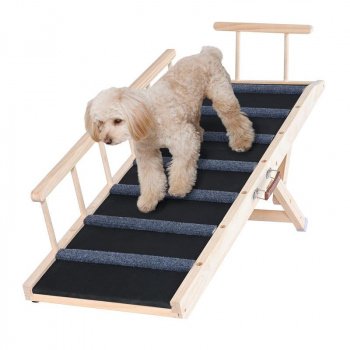
Folding Adjustable Pet Ramp for Small and Large Dogs – 47.2″ Wooden Ramp
Helpful home add-ons (optional)
- 6-Pack Silicone Baby Safety Socket Covers – European Outlet Childproof Guards (useful for reducing tampering risks in pet areas)
- Metal Pen & Pencil Organizer – Rose Gold & Gold Desktop Holder for Office & Home (handy for keeping clickers, nail trimmers, and training treats organized)
FAQ
Is a folding ramp stable enough for a large dog?
It can be, as long as the ramp has a solid base, the hinges/locking points are secure, and it’s placed on flat, non-slip ground. Start with a lower angle, supervise first uses, and re-check hardware regularly to keep the setup steady.
How do I choose the safest ramp angle for my dog?
Use the lowest angle your space allows, since a longer, gentler slope is typically easier to climb and safer to descend. If you notice hesitation or slipping, lower the angle further and adjust placement so your dog can walk straight onto the ramp.
How can a dog be trained to use a ramp without fear?
Introduce the ramp gradually with short sessions, placing treats along the surface to reward calm steps. For “down” practice, go slowly (a leash can help guide pace), praise steady movement, and avoid forcing your dog onto the ramp.











Leave a comment