Weight Training Sled Weight: Typical Empty Ranges
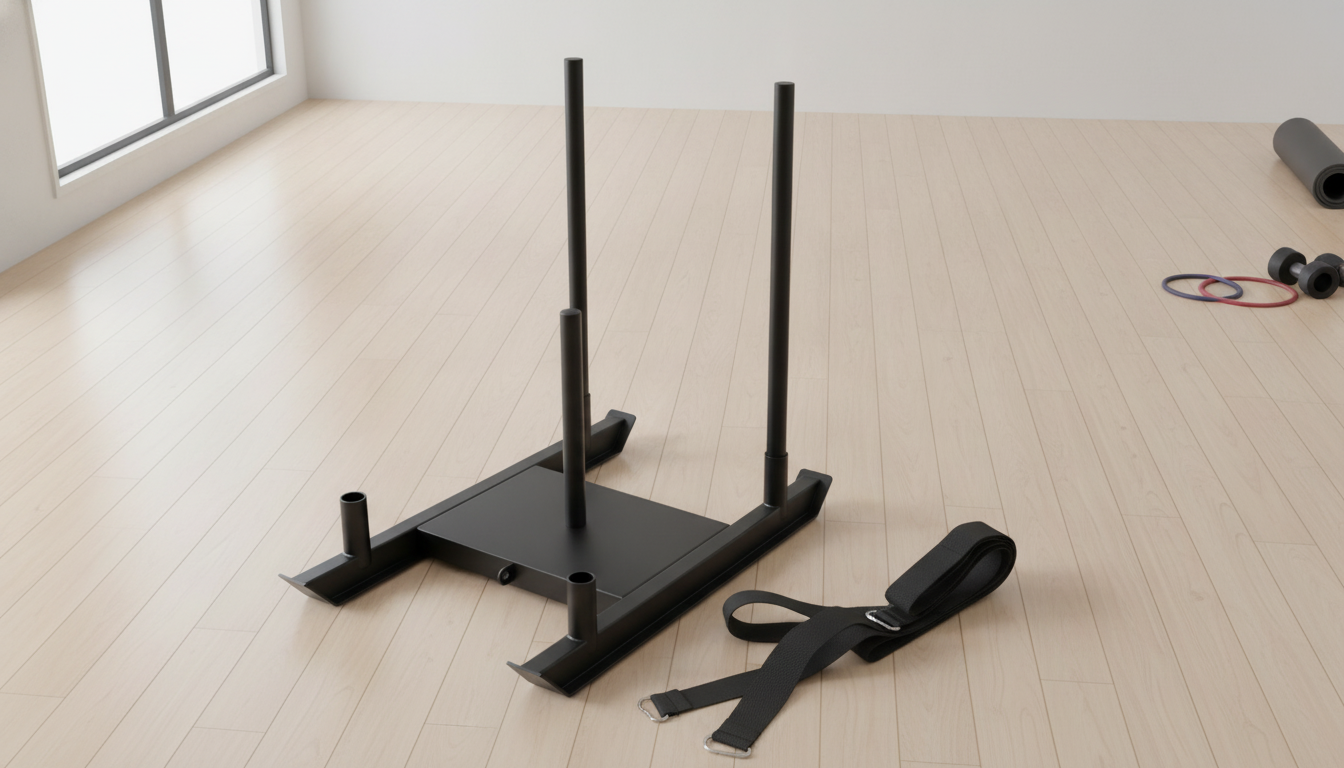
How much does a weight training sled weigh?
A weight training sled’s “empty” weight depends on the style and materials, but most fall into a practical range of about 15 to 60 pounds before any plates are added. Lightweight speed sleds are often closer to 15–30 pounds, while heavier steel push/pull sleds commonly land around 40–60 pounds.
Typical weight ranges by sled type
Speed sleds (drag sleds): Usually the lightest. Many are built to glide on turf for sprint work, so they keep the frame minimal and rely on added plates for resistance. Expect roughly 15–30 pounds empty.
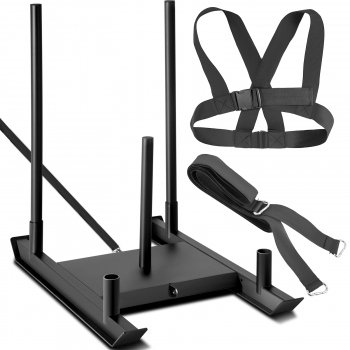
Push/pull power sleds: Built for driving and pushing with upright posts and a wider base. These tend to be sturdier and heavier, often around 40–60 pounds empty.
Multi-surface or heavy-duty models: If a sled is designed for rougher outdoor surfaces or maximum durability, the frame can be thicker and heavier. It’s not unusual to see models exceed 60 pounds empty.
What matters more than the empty weight
For training, the important number is the total load: sled weight + plates (or other load) + any friction factors from the surface. On turf, a lighter sled with added plates can feel smooth and predictable. On asphalt or rough ground, even a moderate empty weight can feel dramatically heavier due to increased drag.
How to choose the right baseline weight
If the goal is sprint mechanics and speed, a lighter sled that allows smaller jumps in loading is usually easier to dial in. If the goal is strength and conditioning through pushes, a heavier, more stable sled can feel better under aggressive drives and quick changes of direction. For a deeper breakdown of sled styles, harness setup, and how resistance changes on different surfaces, see this weight sled harness and conditioning guide.
FAQ
How much weight should you put on a sled for speed training?
A common approach is starting light enough to keep sprint form crisp, then adding small increases only if mechanics stay clean. Many athletes begin with a load that feels challenging but doesn’t noticeably slow stride rhythm.










Leave a comment