How to Teach Kids Patience: Micro-Waits, Scripts, Calm Tools
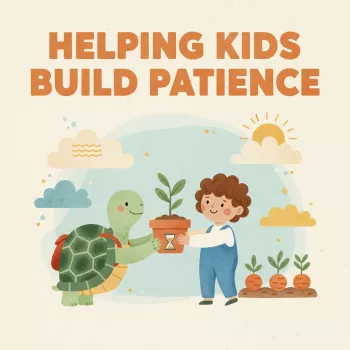
Helping Kids Build Patience: Calm, Gentle Strategies That Actually Stick
Patience is a skill kids can learn with practice, not a trait they either have or don’t. With gentle, consistent routines and a few simple scripts, children can build waiting skills, handle frustration with more confidence, and recover faster when things don’t go their way. The goal isn’t silent compliance—it’s teaching your child what to do with their body and feelings during the wait.
Patience is also closely tied to developing self-regulation and executive function, which grows over time with support and repetition. Helpful background reading is available from the Harvard University Center on the Developing Child and practical guidance from the American Academy of Pediatrics.
What Patience Looks Like at Different Ages
“Waiting well” changes as kids grow. When expectations match development, patience practice feels doable instead of like a constant battle.
- Toddlers (1–3): short waits with support; needs co-regulation, clear boundaries, and quick wins
- Preschoolers (3–5): can practice taking turns and waiting with visual cues; benefits from predictable routines
- Early elementary (5–8): can use simple coping tools (breathing, counting, problem-solving) and reflect after the fact
- Older kids (8+): can plan, set goals, delay gratification for meaningful rewards, and track progress
- Signs the goal is too big: escalation fast, repeated “can’t,” hitting/throwing, or shutdown—reduce the wait and add more support
Age-by-age patience practice ideas
| Age | Common challenge | Try this | What to say |
|---|---|---|---|
| 1–3 | Waiting triggers tantrums | Use a 30–60 second wait with a visual timer | “Waiting is hard. I’m here. When the timer beeps, it’s your turn.” |
| 3–5 | Interrupting and grabbing | Practice “hands in lap” and turn-taking games | “You want it now. First my turn, then your turn.” |
| 5–8 | Big frustration with delays | Teach a calm-down routine before problem-solving | “Let’s get your body calm, then we’ll figure it out.” |
| 8+ | Quitting when it’s not instant | Break tasks into steps with check-ins and rewards | “Slow progress still counts. What’s the next small step?” |
Start With Co-Regulation Before Expecting Self-Control
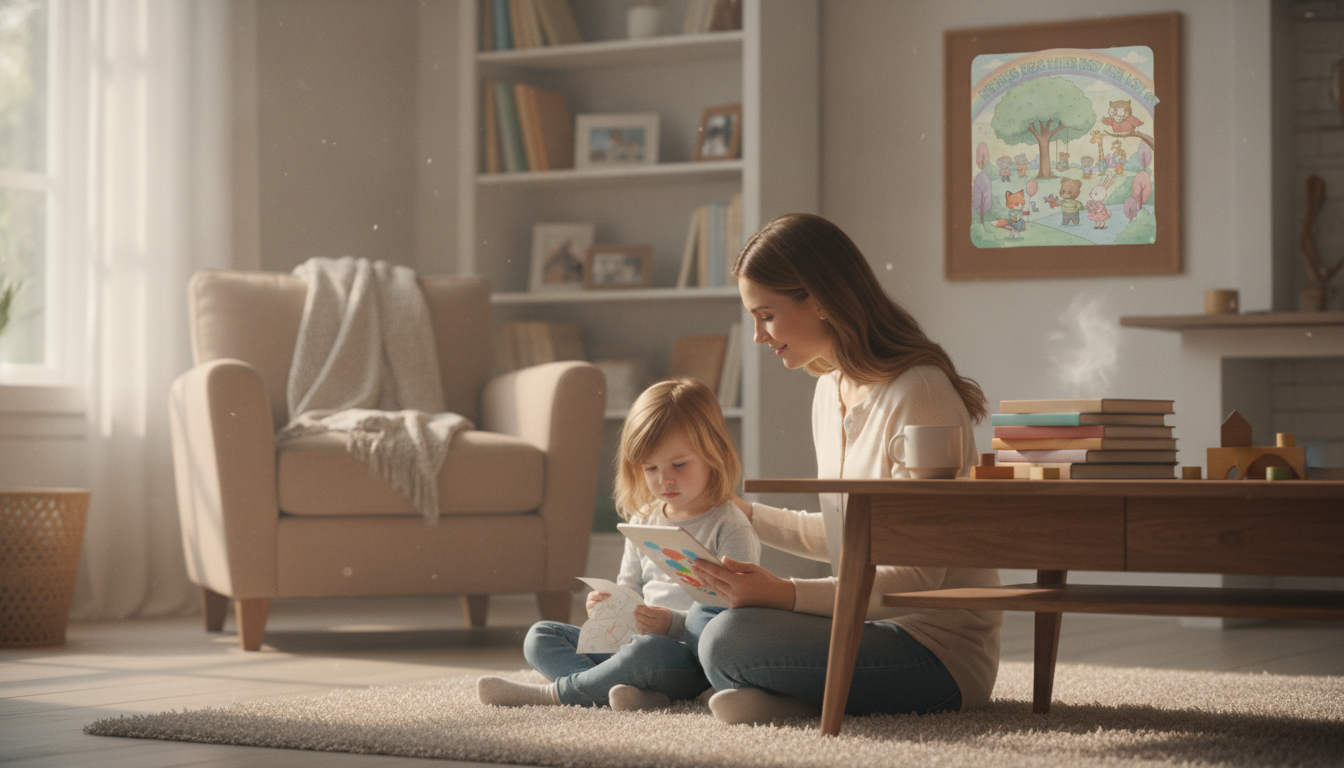
When a child is flooded—crying, yelling, grabbing—self-control isn’t “offline” because they’re being difficult. It’s because their nervous system needs help settling first. Co-regulation is the bridge.
- Name the feeling to lower intensity: “You’re disappointed,” “You’re excited and it’s hard to wait.”
- Keep the limit simple and steady: “Not yet” paired with what is allowed
- Use a calm body as the anchor: slow voice, minimal words, safe proximity
- Avoid long lectures mid-meltdown: teach skills when calm and rehearse later
- Repair after hard moments: brief empathy + clear plan for next time
A simple repair can sound like: “That was a hard wait. Next time we’ll use the timer and squeeze your ball while you wait. I’ll help you start.” Consistency builds trust, and trust makes waiting feel safer.
Micro-Waits: The Fastest Way to Build the “Waiting Muscle”
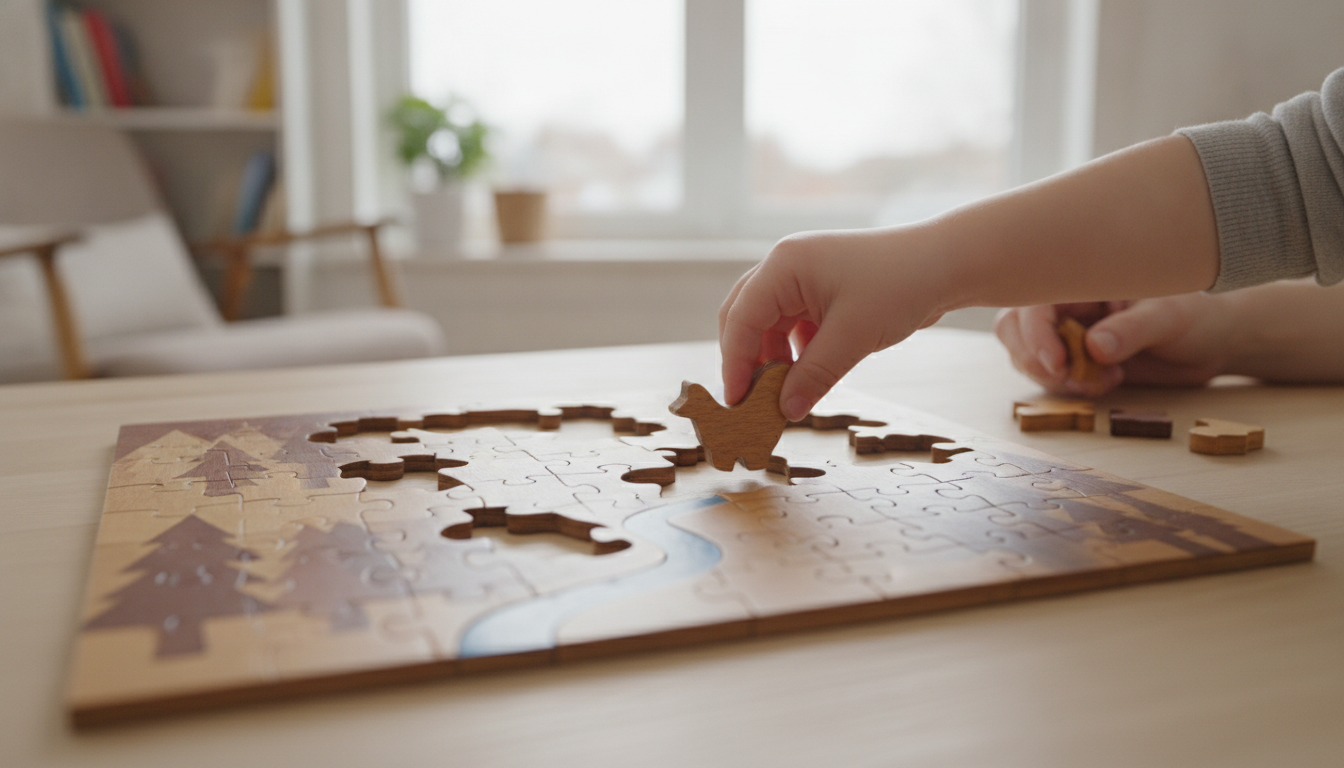
Micro-waits are tiny, winnable pauses that add up. They’re especially effective because your child gets repeated success instead of repeated failure.
- Begin with tiny delays the child can succeed at (10–30 seconds) and gradually increase
- Use “wait, then win”: label the wait, support the wait, celebrate the success
- Stack predictable waits into daily life: closing the car door, washing hands, snacks, bedtime routines
- Use consistent cues: a timer, a visual card, fingers counting down, or a simple “first/then” phrase
- Track progress lightly: “Last week you waited for 10 seconds; today you did 20.”
One helpful pattern is: “First we wash hands, then we snack.” You’re not arguing about the snack—you’re building tolerance for the short in-between.
Tools That Make Waiting Easier (Without Bribes)
Tools aren’t shortcuts; they’re scaffolding. Over time, your child internalizes the routine and needs fewer supports.
If you want a ready-to-use set of scripts and visual routines that stays consistent across caregivers, Helping Kids Build Patience | Printable Parenting Guide can make practice feel simpler—especially during common flashpoints like transitions, turn-taking, and “not yet” moments.
Scripts for Common Patience Flashpoints
Gentle Boundaries That Support Patience
Environment design is underrated: a safer space often means fewer “no’s,” fewer rescues, and fewer frantic waits. For homes with babies and toddlers, practical childproofing supports calmer routines—like using 6-Pack Silicone Baby Safety Socket Covers to reduce constant interruptions while you’re cooking, changing, or helping an older sibling.
A Simple Weekly Practice Plan
Printable Support for Calm, Confident Practice
For newborn and infant stages—when parents are juggling feeding schedules and lots of waiting—having clear, step-by-step routines can also reduce stress. Mixing Baby Bottles Safely and Easily | Step-by-Step Formula Mixing eBook supports smoother feeding prep, which can make the whole household feel more regulated during high-need times.
FAQ
How long does it take for kids to build patience?
Progress is usually gradual: noticeable changes can happen in days when you practice micro-waits and use consistent scripts. Lasting skill-building often takes weeks to months and depends on age, temperament, sleep, and stress.
What if my child melts down every time they have to wait?
Shorten the wait until your child can succeed, add co-regulation first, and use a visual timer plus a simple choice (“wait on the couch or at the table?”). If hitting or throwing starts, hold a clear safety boundary: “I won’t let you hit. I’ll keep everyone safe.”
Is using rewards the same as bribing?
Planned reinforcement is offered ahead of time and ties to effort or strategy (“You used your calm-down steps”). Bribing is last-minute bargaining during a tantrum; it usually increases pressure and makes the next wait harder.









Leave a comment