Starting Solids: Readiness, Safe First Foods & Allergens
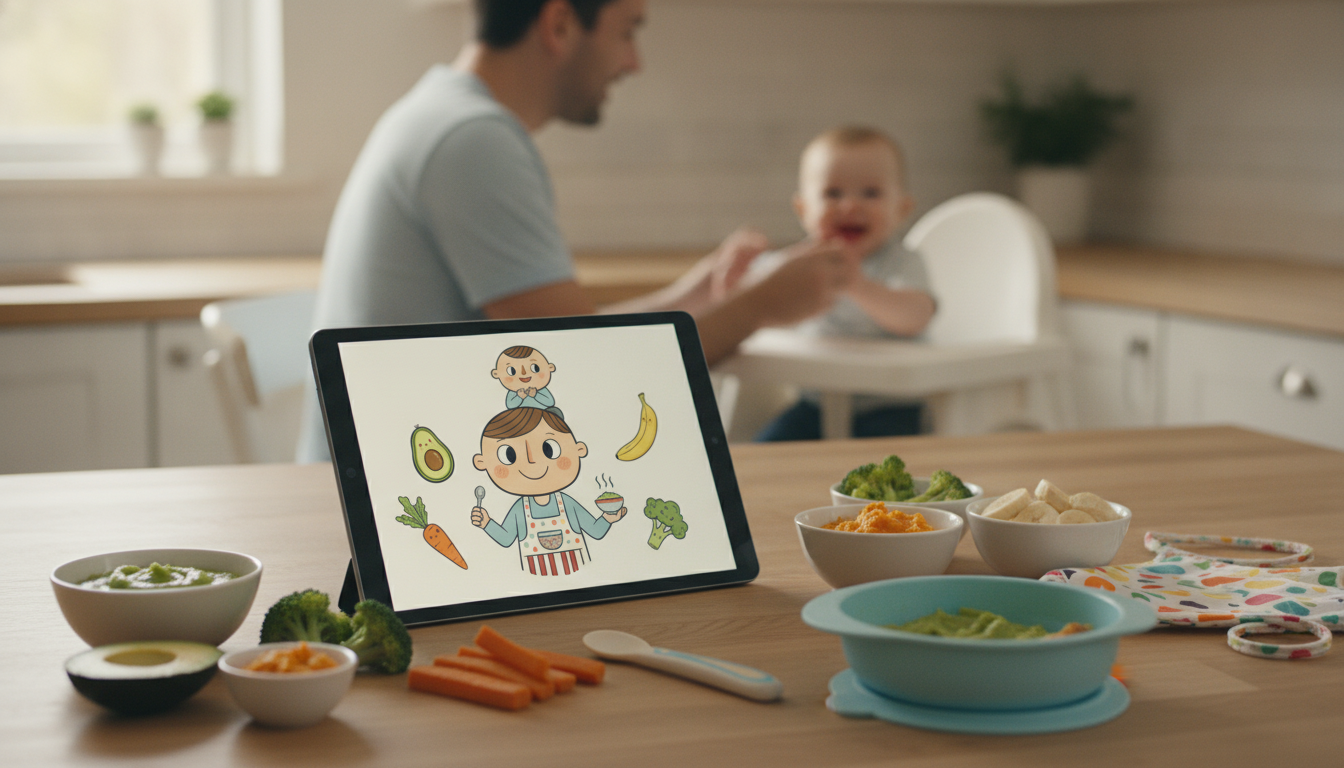
Starting Solids With Confidence: A Calm, Practical Plan for First Foods
Starting solids can feel exciting and nerve-wracking at the same time. A calm plan helps: look for true readiness (not just a date on the calendar), set up a safe seat and routine, and keep early meals short and low-pressure. With a few basics in place, baby’s first bites can be simple, safe, and surprisingly enjoyable. For more guidance, see international first aid, resuscitation, and education.
When baby is ready: signs that matter more than the calendar
Many babies begin solids around 6 months, but readiness is really about developmental skills. If baby can stay upright, control their head, and manage small amounts of food, you’re much closer than if you’re simply hitting a certain week on the calendar. If your baby was born preterm, follow your clinician’s guidance on adjusted age and readiness. For further reading, see Metro po litan State Un iversity of D enver.
Readiness quick check
| Readiness sign | What it looks like | Why it matters |
|---|---|---|
| Sits upright with support | Minimal slumping in a high chair | Helps protect the airway and supports swallowing |
| Good head control | Head stays steady while reaching/looking around | Reduces choking risk and fatigue |
| Brings hands/toys to mouth | Chews on safe teethers, explores orally | Supports oral-motor skills for textures |
| Shows interest in food | Opens mouth as food approaches | Makes feeding easier and less stressful |
| Less tongue-thrust | Food stays in mouth long enough to swallow | Allows practice with spoon or soft pieces |
Safety first: choking prevention, positioning, and common hazards
Solid starts are safest when the setup is consistent. Feed baby seated fully upright in a stable high chair (not reclined, not on a couch, and not in a car seat). Stay within arm’s reach the entire time, and try to avoid distractions during bites.
Begin with textures that squish easily between your fingers. Cook foods until tender, and keep pieces appropriately sized. It also helps to know the difference between gagging (a normal, noisy learning reflex) and choking (silent or struggling to breathe). If you haven’t reviewed infant choking first aid recently, consider refreshing those skills before you begin.
Avoid common choking hazards such as whole grapes or cherries, popcorn, hard raw veggies, nuts, spoonfuls of nut butter, chunks of apple, and “coin” slices of hot dog. Round foods should be cut lengthwise and then into smaller pieces; tougher foods are often safer shredded or thinly sliced.
For solid-start basics and safety reminders, the CDC guidance on introducing solid foods and the American Academy of Pediatrics overview are helpful references.
A simple step-by-step plan for the first 2–4 weeks
Start with one small meal per day at a time when baby is alert and calm—often not right after a long stretch of wakefulness, and not when they’re extremely hungry. Breast milk or formula stays the main source of nutrition; solids are practice.
Offer 1–2 teaspoons to begin, then follow baby’s cues. Turning away, closing the mouth, pushing the spoon, or getting fussy can all mean “I’m done.” Early “meals” may only last 5–15 minutes, and that’s plenty.
Gradually thicken textures over time: smooth purées to thicker mashes, then soft small pieces as skills grow. Small sips of water from an open cup or straw cup with meals can be added when your pediatrician advises. If you’re formula-feeding or combo-feeding, keeping bottle prep consistent can reduce overall feeding stress; Mixing Baby Bottles Safely and Easily (formula mixing eBook) is a handy reference to keep your routine steady.
Track any reactions (rash, hives, repeated vomiting, coughing/wheezing, or unusual sleepiness) and contact a clinician for concerning symptoms.
First foods that build nutrition without overwhelm
To keep choices simple, start with foods that deliver key nutrients and are easy to prepare safely. Iron and zinc are especially important early on, particularly for breastfed babies. Great options include iron-fortified infant cereal, well-cooked lentils/beans, tender meats (shredded finely), and egg (as appropriate for your baby).
If you’d like a structured plan that reduces daily decision fatigue, A Parent’s Guide to Starting Solids (digital eBook) lays out readiness, safety, and week-by-week first-food ideas in one place.
Allergies: how to introduce common allergens calmly
Responsive feeding: cues, portions, and reducing pressure
Practical setup: tools, cleanup, and a routine that fits real life
As baby becomes more mobile, safety-proofing tends to move up the priority list. If you’re tackling home basics too, 6-Pack Silicone Baby Safety Socket Covers can help cover exposed outlets in areas where baby plays.
Common bumps: constipation, gagging, and “not interested” days
FAQ
Should solids start at 4 months or 6 months?
Many babies are ready around 6 months, but readiness depends more on skills like sitting upright with good head control and being able to swallow small amounts. Starting earlier is sometimes recommended for specific situations, but it should be guided by your pediatrician and your baby’s developmental readiness.
What are the best first foods for babies to reduce choking risk?
Choose soft foods that squish easily, such as mashed avocado, yogurt, puréed sweet potato, well-cooked lentils, or iron-fortified infant cereal. Feed baby upright in a high chair with close supervision, and avoid high-risk foods like whole grapes, nuts, and hard raw vegetables.
How do allergens like peanut and egg get introduced safely?
Use safe forms (for example, thinned peanut butter mixed into yogurt/oatmeal and well-cooked egg in small pieces), and introduce them when baby is healthy earlier in the day. Start with a small amount, watch for reactions, and keep offering regularly if tolerated; consult a clinician first for high-risk babies (such as severe eczema or a prior reaction).









Leave a comment