Weight Sled + Harness: Speed, Power, and Conditioning
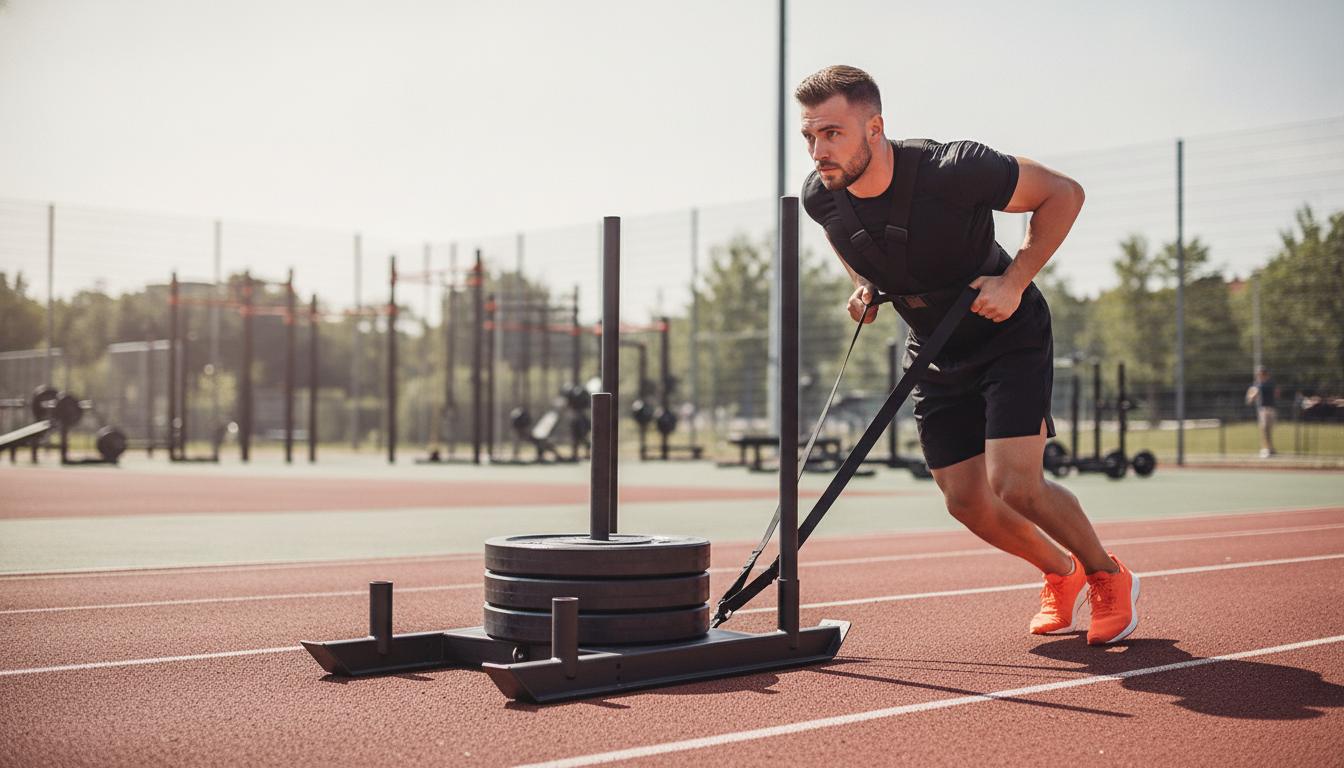
Weight Sled with Harness for Power, Speed, and Strength Conditioning
A weight sled with a pulling harness adds simple, scalable resistance for sprint mechanics, leg drive, and full-body work capacity. Used for short acceleration efforts, longer drags, and backward pulls, it supports strength and conditioning goals without complex setup—making it a practical option for athletes, teams, and home-gym training. For more guidance, see Effects of Sled Towing on Peak Force, the Rate of … – PMC – NIH.
What This Sled-and-Harness Setup Does Well
Sled training is “low-tech” in the best way: add load, choose a distance, and execute clean reps. Because the resistance is horizontal (not stacked on the spine), it’s a favorite tool for building repeatable effort while keeping technique front and center. For further reading, see evidence-based recommendations for resisted sled sprint.
- Builds horizontal force for faster starts and stronger acceleration through resisted sprinting and marching
- Trains legs, hips, trunk, and upper back with forward drags, backward drags, and lateral pulls
- Scales from technique work (light load, longer distance) to power work (moderate load, short distance)
- Fits conditioning blocks with repeatable efforts and easy load changes
Key Parts and How They Work Together
A sled-and-harness system works best when each component supports solid posture and efficient force transfer. Small setup details—strap alignment, harness fit, and attachment height—can noticeably change how “smooth” the pull feels.
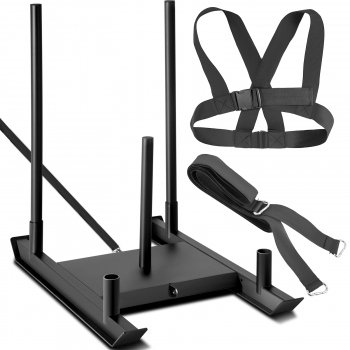
- Sled frame: provides a stable base for dragging; design affects how smoothly it tracks on different surfaces
- Weight loading area: accommodates plates or added weight to adjust resistance
- Pull strap/attachment: connects resistance to the athlete; attachment point height can influence posture and force angle
- Harness: distributes load across torso/hips to keep hands free and promote strong body position during acceleration drills
Choosing Loads and Distances for Power vs. Speed
The “right” load depends on the goal and whether mechanics stay sharp. If the sled turns your rep into a grindy shuffle, it stops being speed work and becomes conditioning (which can still be useful—just call it what it is).
- Speed emphasis: keep resistance light enough to maintain crisp mechanics; use short bursts with full recovery
- Power emphasis: use moderate resistance for explosive pushes and harder starts while keeping posture controlled
- Strength-conditioning emphasis: use moderate loads with longer drags, backward pulls, or continuous intervals
- Progress tracking: repeat the same distance with the same load and note time, perceived effort, and technique quality
Example Sled Sessions by Goal
| Goal | Load feel | Distance per rep | Sets × reps | Rest |
|---|---|---|---|---|
| Acceleration mechanics | Light (fast steps stay sharp) | 10–20 m | 6–10 × 1 | 60–120 s |
| Power starts | Moderate (forceful drive, no collapsing posture) | 10–15 m | 6–8 × 1 | 90–180 s |
| Conditioning capacity | Moderate (steady grind) | 20–40 m | 6–12 × 1 | 30–75 s |
| Knee-friendly quad work (backward drag) | Light–moderate (upright) | 15–30 m | 4–8 × 1 | 45–90 s |
Set-Up Checklist for Better Pulls
Clean sled reps start before you ever move—especially with harness work. A centered attachment and a snug harness reduce side-to-side drift and help maintain the forward lean needed for strong acceleration patterns.
- Harness fit: snug across torso/hips so it doesn’t ride up during hard accelerations
- Attachment: ensure the strap is centered and free of twists; check carabiners/clips if included
- Body position: slight forward lean from the ankles, ribs down, hips driving forward; avoid bending at the waist
- Foot strike: step down and back with quick turnover; keep steps quiet and controlled
- Warm-up: include skips, marches, and a few unresisted build-ups before loaded work
Workout Ideas to Rotate Through the Week
Rotating “themes” keeps progress moving without overloading the same tissues every session. Pair sled work with sprint days, strength days, or conditioning blocks depending on where it fits best in your week.
- Sprint day finisher: 6–8 × 15 m resisted starts, then 2–4 × 20 m unresisted accelerations
- Strength day accessory: backward drags 6 × 20–30 m to target quads without heavy spinal loading
- Conditioning block: 8–12 rounds of 20–30 m drags with short rest, alternating forward and backward
- Agility support: lateral drags 4–6 × 10–15 m each direction, focusing on hip stability and posture
- Team circuit: relay-style drags with consistent distance so athletes can compare repeatability
Surface Tips and Where to Use It
Surface choice changes friction, noise, and wear—so adjust loading accordingly. When tracking times, try to keep the surface (and conditions) consistent so your data stays meaningful.
Safety and Technique Cues That Matter
For deeper training principles and safe progression ideas, consult resources from NSCA, ACSM, and exercise technique references such as ExRx.net.
Who It Fits Best
Product Snapshot
If you want one piece of gear that supports acceleration work, backward drags, and conditioning circuits, a dedicated sled paired with a harness keeps setup quick and consistent. See the current in-stock option here: Weight Sled with Harness – Power Speed Training Sled for Strength & Conditioning.
For coaches or home-gym setups that track times, loads, and session notes, a small desktop organizer can keep testing sheets and stopwatches from getting buried. One in-stock option is the Metal Pen & Pencil Organizer – Rose Gold & Gold Desktop Holder for Office & Home.
FAQ
How heavy should a sled be for speed work?
Use a light resistance that preserves crisp mechanics and fast turnover. If posture collapses or steps become slow and choppy, reduce the load or shorten the distance.
Can sled pulling replace squats and deadlifts?
It complements more than it replaces: sled work builds horizontal force and conditioning with less spinal loading, while squats and deadlifts remain efficient tools for maximal strength when appropriate.
Is backward sled dragging safe for knees?
Backward drags are often tolerated well when done upright with controlled steps and sensible loading. Pain is a stop signal—start light, keep range comfortable, and consult a professional if symptoms persist.









Leave a comment